
TL;DR
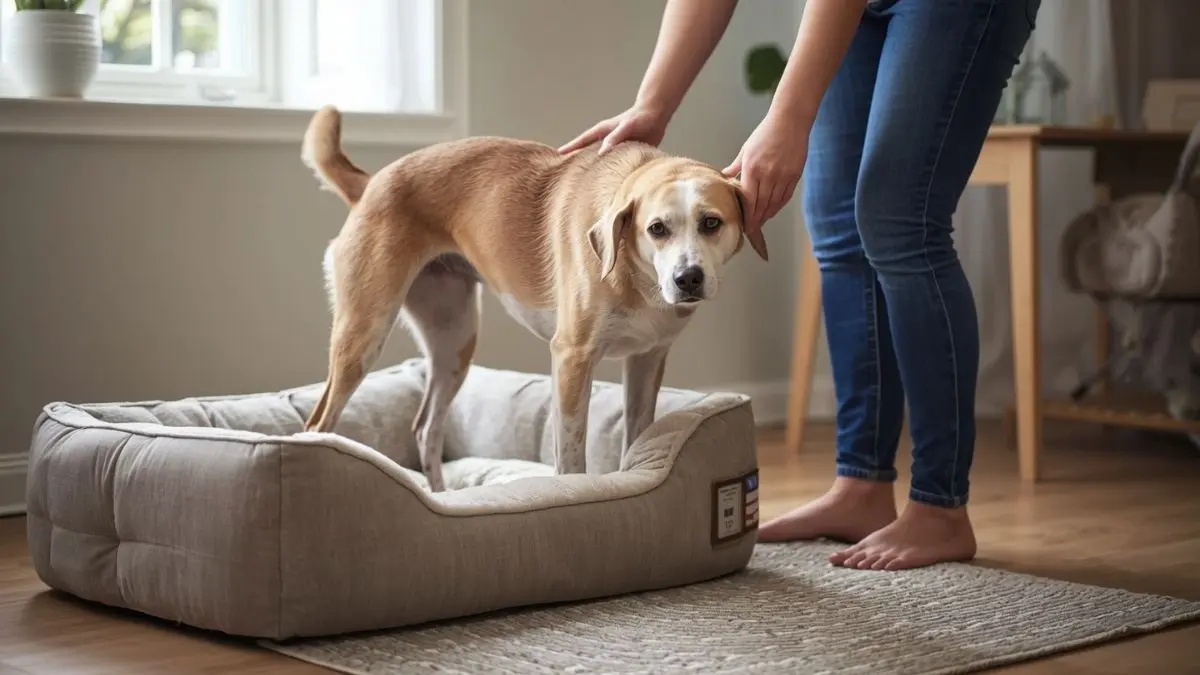
A dog arthritis flare up often causes sudden worsening of stiffness, limping, slower walking, and trouble standing or climbing stairs. Many dogs with arthritis also become less active, hesitate before moving, or struggle more on slippery floors during bad flare days.
Common flare-up triggers include:
- cold or damp weather
- overexercise or rough play
- slipping on smooth floors
- extra weight on painful joints
- long periods of inactivity
- sudden intense activity after resting days
These triggers can increase inflammation, soreness, and joint stiffness in already affected joints, a pattern also documented by Simon Veterinary Surgical’s review of canine osteoarthritis flare-ups. A true flare-up usually improves within a few days with rest and home support. If stiffness or limping keeps returning, steadily worsens, or never fully improves between episodes, this may point to arthritis progression rather than a temporary flare — a pattern worth discussing with a veterinarian.
Some signs should never be ignored, especially if a dog suddenly cannot stand, drags the legs, collapses, or shows severe pain. Sudden hind leg weakness in dogs, wobbling, or loss of coordination may point to something more serious than a mild arthritis flare.
Home support may help mild flare-ups. Short controlled walks, better traction with non-slip rugs, supportive bedding, and reduced jumping can improve comfort and mobility. Too much inactivity can worsen stiffness and muscle weakness, so most dogs benefit from gentle controlled movement instead of complete rest.
Veterinary care is important if symptoms keep worsening, flare-ups happen more often, walking tolerance drops, or the dog refuses to stand or walk — warning signs PDSA also identifies as requiring veterinary attention. Persistent mobility decline should not be dismissed as ‘just old age.
Quick Answer
What is a dog arthritis flare up?
A dog arthritis flare up is a period when joint pain, stiffness, and mobility problems suddenly become worse. Dogs with arthritis may limp more, move slower, or struggle with normal daily activities during these flare periods.
Arthritis flare-ups happen because inflammation increases inside already painful joints. This can affect the hips, knees, elbows, shoulders, or spine. Some dogs worsen after heavy activity, while others become noticeably stiffer after long rest periods or sleeping.
Many owners notice changes like:
- slower walks
- hesitation before standing
- trouble climbing stairs
- reduced interest in play
- difficulty getting into cars
- slipping on smooth floors
A mild flare-up may improve with supportive care and activity adjustment. Sudden severe weakness, collapse, or inability to stand is not considered a normal mild flare-up and should be checked by a veterinarian quickly.
Common signs owners notice first
Many dog arthritis flare up symptoms start gradually over a few hours or days. Owners often notice walking and activity changes before obvious pain signs.
Worse limping
Limping often becomes more noticeable during a flare-up. Some dogs favor one leg more heavily or shorten their stride to avoid pressure on sore joints. Limping may worsen after exercise or at the end of the day.
Stiffness
Joint stiffness is one of the most common signs of arthritis in a dog’s legs. Many dogs move very slowly after resting, especially in the morning or after naps. Some improve slightly after warming up with gentle movement.
Slower movement
Dogs with arthritis may walk behind during walks, stop more often, or avoid moving around the house. Some appear cautious or hesitant when turning, climbing stairs, or walking on slippery floors.
Difficulty standing
An arthritic dog may struggle getting up from the floor or need extra time to stand. Some shift their weight back and forth briefly before standing. Owners may also notice swaying, weakness, or stiffness in the back legs during flare days.
Reduced activity
Many dogs with arthritis become less playful and less active during flare-ups. Some stop asking for walks, avoid jumping onto furniture, or lie down more often during the day. Dogs may still try to act normal even while hiding discomfort.
What usually helps during a flare-up?
Many owners wonder how to help a dog with arthritis during painful flare days. In many cases, the goal is to reduce strain while keeping activity safe and controlled.
Shorter walks
Short controlled walks are usually easier on sore joints than long walks or rough activity. Many dogs benefit from slower pacing and flat walking surfaces during flare days.
During these periods, owners often need to adjust exercise duration based on comfort and recovery. For more detailed guidance, see How Long to Walk a Dog With Arthritis.
Rest balance
Too much inactivity can worsen stiffness and muscle weakness. Most dogs with arthritis do better with a balance of rest and gentle low-impact movement instead of staying inactive all day.
Traction support
Slipping can worsen joint strain and increase fear of movement. Non-slip rugs, stair traction, and better grip areas inside the home may help improve confidence and stability.
Comfort support
Supportive bedding, warmer sleeping areas, and easier access to food or bathroom areas can reduce daily strain. Orthopedic beds may also help dogs rest more comfortably during painful flare periods.
Low-impact movement
Regular low-impact movement helps maintain joint flexibility and muscle support around painful joints. Gentle leash walks and controlled activity are often easier on arthritic joints than sudden high-impact exercise.
Table of Contents
When to Worry
Mild flare-up signs owners can monitor briefly
Some mild signs of a dog arthritis flare up can sometimes be monitored briefly at home for 24–48 hours if the dog is still comfortable overall. Mild flare-ups often involve temporary stiffness, slower movement, or a mild limp that improves slightly after gentle movement.
Owners may notice:
- stiffness after sleeping
- slower walks
- mild limping after activity
- hesitation before standing
- shorter play sessions
- mild soreness without severe pain
Many dogs with arthritis still eat, drink, and interact normally during mild flare days. Careful monitoring is important because worsening symptoms can signal a more serious problem.
Mild Flare-Up vs Emergency Warning Signs
This quick comparison can help owners separate mild flare-up signs from emergency warning signs that need urgent veterinary attention.
| Mild Flare-Up Signs | Emergency Warning Signs |
| Mild stiffness after rest | Sudden collapse |
| Mild limp that improves slightly with movement | Dragging legs |
| Slower walking but still active | Inability to stand |
| Slight soreness after activity | Sudden severe pain |
| Still eating and drinking normally | Paralysis or loss of coordination |
| Mild hesitation on stairs | Non-weight-bearing limp |
| Temporary reduced activity | Sudden hind-leg weakness |
Even if symptoms seem mild at first, worsening weakness or declining stability should always be monitored carefully.
Signs a vet visit is needed soon
Some flare-ups should not be ignored, especially when symptoms keep returning or slowly worsen over time. Repeated bad days may suggest arthritis progression, worsening inflammation, or declining joint support.
Worsening stiffness
A veterinarian should evaluate dogs that become increasingly stiff, especially if stiffness lasts longer or affects daily activity more severely. Dogs that struggle more each week may need better long-term arthritis management and mobility support.
Repeated flare-ups
Frequent flare-ups are not something owners should simply accept as “normal aging.” Repeated inflammation and reduced activity can increase muscle loss, joint instability, and quality-of-life decline over time.
Reduced walking tolerance
Dogs with arthritis may slowly lose walking endurance. Some begin stopping during walks, refusing longer distances, or lying down sooner than usual. A dog that suddenly cannot handle normal activity may need veterinary assessment.
Behavioral changes
Behavioral changes can also signal worsening discomfort. Some dogs become irritable, withdrawn, less social, or fearful of movement after slipping or falling. Others hide pain quietly while mobility continues to decline.
Emergency warning signs that should not wait
Some symptoms are more serious than a typical arthritis flare-up and need same-day veterinary care. Severe weakness, collapse, or sudden neurologic signs can point to spinal disease, nerve problems, major injury, or another urgent condition.
Collapse
Sudden collapse or falling without recovery is an emergency warning sign. An old dog’s back legs collapsing suddenly should never be dismissed as simple stiffness or normal arthritis aging, especially when weakness, loss of balance, or difficulty standing are also present.
Dragging legs
Dragging legs, scuffing nails, or knuckling paws may suggest neurologic weakness instead of ordinary arthritis pain. These signs can happen when nerve or spinal problems affect movement control.
Owners who notice dragging paws, toe scuffing, or knuckling may also find it helpful to read Why Is My Dog Dragging His Back Legs? What It Could Mean and When to Act.
Severe pain
Severe vocalization, extreme sensitivity to movement, or refusal to move can indicate serious pain. Hot swollen joints or sudden intense limping also need urgent veterinary attention.
Inability to stand
A dog that suddenly cannot stand or walk normally needs prompt evaluation. Inability to rise may signal severe pain, major weakness, spinal disease, or injury rather than a mild arthritis flare-up.
Sudden hind-leg weakness
Many owners search “what causes sudden hind leg weakness in dogs” when a dog suddenly becomes unstable or wobbly. Sudden hind-leg weakness, poor coordination, or loss of balance can be a neurologic emergency, especially if symptoms appear rapidly. Severe back-leg instability or refusal to bear weight should never be ignored. For a fuller breakdown of urgency levels across sudden limping and mobility situations more broadly, see dog suddenly limping: when to take your dog to the vet.
Symptoms / Signs
Common movement changes during arthritis flare-ups
A dog arthritis flare up often causes clear movement changes that owners notice during normal daily activities. Many dogs move slower, limp more, or seem less confident using painful joints during flare periods.
Limping
Limping is one of the most common dog arthritis flare up symptoms. Some dogs favor one leg repeatedly, while others shift weight between sore joints. Limping may worsen after walks, exercise, or long rest periods. For a broader look at what different limping patterns can mean, see why is my dog limping.
Stiffness
Dogs with arthritis often appear stiff after sleeping or lying down. Many take small careful steps at first and slowly loosen up after gentle movement. Stiffness may become worse during cold weather or damp conditions.
Slower walking
An arthritic dog may walk behind during walks or avoid moving quickly around the home. Some dogs hesitate before turning, climbing stairs, or walking across slippery floors.
Shorter stride
Pain and inflammation in affected joints can make steps shorter and more cautious. Some dogs develop a choppy gait or avoid fully extending painful legs while walking.
Stopping during walks
Dogs with arthritis may stop more often during walks or lie down sooner than usual. Reduced walking endurance can happen when joint pain, weakness, or soreness increases during flare-ups.
Signs of pain and discomfort
Pain signs are not always dramatic. Many dogs hide discomfort quietly, especially during the early stages of worsening arthritis. Many of these subtle mobility and behavior changes are among the early signs of arthritis in dogs that owners often overlook before limping becomes more obvious.
Licking joints
Some dogs repeatedly lick sore joints or painful areas. Persistent licking can happen when inflammation or joint discomfort becomes worse during a flare-up.
Irritability
Pain can affect behavior as well as movement. Dogs that normally enjoy touch or interaction may become grumpy, withdrawn, or less social when soreness increases.
Flinching
An arthritic dog may flinch, pull away, or tense up when painful joints are touched or moved. Some dogs also react when standing, climbing, or turning suddenly.
Reluctance to move
Many dogs hesitate before standing, climbing stairs, or jumping onto furniture during flare periods. Some avoid movement because painful joints feel stiff or unstable.
Weakness and mobility decline signs
Mobility problems can become more noticeable as arthritis progresses or during stronger flare days. Weakness may affect balance, confidence, and normal movement patterns.
Slipping
Dogs with arthritis often slip more on tile, hardwood, or other smooth floors. Weak muscles and painful joints can reduce balance and traction during movement. Repeated slipping on smooth floors may gradually worsen instability and create fear of movement in some older dogs.
Back legs giving out
Some owners describe an old dog’s back legs collapsing or suddenly giving out during walks or while standing. This can happen with arthritis-related weakness, but sudden severe weakness may also point to neurologic problems.
Difficulty climbing stairs
Climbing stairs puts extra pressure on sore joints and weak muscles. Many dogs with arthritis become slower or more hesitant on stairs during flare-ups.
Trouble getting into cars
Jumping into vehicles can become painful for dogs with arthritis affecting the legs or spinal stiffness. Some dogs stop attempting jumps they once handled easily.
Neurologic-type signs owners should watch carefully
Some movement problems may look similar to arthritis but can involve nerve or spinal issues instead. These signs deserve careful attention because they may signal neurologic weakness rather than ordinary joint pain.
Knuckling paws
Knuckling happens when a dog walks on the top of the paw instead of placing it normally. This is not considered a typical mild arthritis sign and may suggest nerve dysfunction.
Dragging toes
Dragging toes or scuffing nails can happen when dogs lose coordination or normal paw control. Owners may notice worn nails or scraping sounds while walking.
Wobbling
A wobbling or unstable gait may happen with neurologic weakness or spinal disease. Dogs may appear off balance, especially in the back legs.
Crossing legs
Crossing legs while walking can point to coordination problems instead of simple arthritis stiffness. This pattern should be evaluated by a veterinarian, especially if it appears suddenly.
Behavioral and emotional changes owners may notice
Pain and declining comfort can also affect confidence, mood, and daily behavior. Some changes are subtle and easy to miss at first.
Acting normal despite pain
Many dogs continue eating, greeting family members, or trying to play even while hiding discomfort. Owners sometimes underestimate pain because the dog still acts “mostly normal.”
Hesitation before movement
Dogs with arthritis may pause before standing, climbing stairs, or starting walks. This hesitation often happens because movement feels stiff or painful at first.
Fear after slipping
A dog that slips or falls may become nervous walking on smooth floors afterward. Some dogs slow down or avoid certain areas of the house because they fear losing balance again.
Reduced play interest
Many dogs lose interest in running, rough play, or longer activity sessions during flare-ups. Reduced activity can happen gradually as soreness and fatigue increase.
Causes of Dog Arthritis Flare Up
Joint inflammation and osteoarthritis worsening
A dog arthritis flare up often happens when inflammation inside damaged joints becomes worse. Dogs with osteoarthritis already have painful joint changes, so even small increases in inflammation can trigger more stiffness, limping, and soreness.
Arthritic joints in the hips, knees, elbows, shoulders, or spine may become more painful during flare periods. Since arthritis in dogs’ legs often affects the hips and knees first, flare-ups are frequently most noticeable during walking or standing. Some dogs move slower, avoid stairs, or struggle getting up after resting because painful joints feel stiff and unstable.
Overexercise and activity-related flare-ups
Too much activity can strain sore joints and worsen arthritis symptoms. High-impact movement often increases pain and inflammation during flare days.
Long walks
Long walks may become difficult for dogs with arthritis, especially during active flare-ups. Overdoing exercise can lead to next-day soreness, fatigue, and worsening stiffness.
Rough play
Sudden twisting, jumping, or rough play can place extra pressure on affected joints. Some dogs limp more after energetic activity sessions.
Sudden intense activity
“Weekend warrior” activity patterns can also trigger flare-ups. Dogs that stay inactive most of the week but suddenly exercise heavily may develop soreness, inflammation, and reduced mobility afterward.
Cold weather and damp weather triggers
Cold weather and damp conditions can increase joint stiffness and lower comfort levels in dogs with arthritis. Many owners notice dogs walking slower or acting stiffer during colder months or sudden weather changes.
Rapid weather shifts and changes in barometric pressure may also worsen soreness in sensitive joints. Some dogs need gentler movement and shorter walks during colder flare periods.
Weather-Related Flare Trigger Checklist
Some owners notice flare-ups becoming more obvious during colder or damp weather conditions.
- increased stiffness during cold mornings
- slower walking during damp weather
- more soreness after rapid weather changes
- hesitation before movement in colder temperatures
- reduced activity during winter months
- more difficulty standing after sleeping
- increased limping during cold or rainy days
Weather changes alone do not confirm arthritis worsening, but they may increase stiffness and discomfort temporarily.
Weather-Related Arthritis Flare Management
Why Cold and Damp Weather Can Worsen Symptoms
Many owners notice that arthritis symptoms seem worse on certain days, especially during cold or damp weather. While weather does not cause arthritis, it can influence how comfortable an arthritic dog feels.
Cold conditions often lead to less movement. When dogs move less, joints spend more time inactive. Reduced movement can increase stiffness, which may make standing, walking, and climbing stairs feel more difficult.
This pattern often follows a simple chain:
Cold or damp weather
- reduced movement
- increased stiffness
- slower mobility
Morning mobility changes can be especially noticeable. Dogs may take longer to rise after sleeping, move more cautiously at first, or appear stiffer during the first part of the day. As joints warm up and movement increases, some dogs become more comfortable. This pattern is especially common in older dogs, where stiff joints and winter weather often combine to make the first part of the day noticeably harder.
Weather-related worsening can also create the impression that a flare-up is suddenly getting worse. In many cases, the underlying arthritis has not changed. Instead, temporary stiffness and discomfort make mobility more challenging until movement gradually improves.
Hot Weather and Flare-Up Management
Hot weather can create a different set of challenges during an arthritis flare-up.
Higher temperatures may reduce exercise tolerance. Dogs often tire faster when they become warm, which can make normal activity feel more demanding than usual.
Fatigue can affect movement quality. As a dog becomes tired, walking may become slower and less efficient. Muscles provide less support to painful joints, which can increase discomfort during and after activity.
This can create another common pattern:
Hot weather
- earlier fatigue
- reduced exercise tolerance
- overexertion
- increased soreness later
Some dogs appear comfortable during a walk but show more stiffness or limping later that day. For this reason, activity levels that are normally well tolerated may need adjustment during periods of extreme heat.
Practical Ways to Help During Weather Changes
Small routine adjustments can help reduce weather-related flare-up discomfort.
During cold or damp conditions, shorter walks may be more comfortable than longer outings. Gentle movement throughout the day can help reduce stiffness without placing excessive strain on sore joints.
When outdoor conditions limit activity, simple indoor movement can help maintain mobility. Short periods of controlled walking around the home may be preferable to remaining inactive for long stretches.
Warm resting areas may also improve comfort. Dogs that spend time on cold hard floors may become stiffer after resting. Soft supportive bedding placed away from drafts can help create a more comfortable recovery environment.
Traction is important in every season. Dogs experiencing stiffness or reduced confidence often struggle more on slippery surfaces. Improving traction with rugs, mats, or other non-slip surfaces can help reduce slips and support steadier movement during a flare-up.
Weather-related bad days are common with arthritis. However, if mobility continues to decline despite environmental adjustments, veterinary evaluation is appropriate to help identify whether additional factors may be contributing to the change.
Slippery floors and home-environment stress
Smooth flooring can make movement harder for arthritic dogs. Slipping on tile or hardwood floors may strain sore joints and increase fear of movement.
Repeated slipping can also worsen instability, especially in older dogs with weak back legs or poor balance. Homes with steep stairs or large jumps may add extra daily stress to painful joints.
Weight gain and increased joint pressure
Extra body weight places more pressure on damaged joints. Obesity can worsen arthritis pain, reduce mobility, and increase flare-up frequency over time.
Dogs carrying extra weight may tire faster, struggle more with stairs, and develop worsening joint inflammation from the added strain.
Muscle weakness and reduced joint support
Muscles help stabilize joints during movement. When dogs become less active, muscle loss can develop and reduce support around painful joints.
Less activity → weaker muscles → poorer balance → worsening mobility is a common pattern in dogs with chronic arthritis.
Minor injuries that can worsen arthritis symptoms
Small injuries may trigger sudden worsening symptoms in dogs already dealing with arthritis. Sprains, awkward landings, or slipping during normal movement can irritate sore joints.
Some dogs flare after jumping off furniture, climbing stairs repeatedly, or landing awkwardly during play.
When neurologic or spinal problems may be involved
Not every mobility problem comes from arthritis alone. Some dogs develop neurologic weakness or spinal disease that causes wobbling, dragging toes, crossing legs, or sudden hind-leg weakness.
These signs are different from ordinary joint stiffness and may point to nerve or spinal problems instead of simple arthritis pain. Sudden collapse or rapid weakness should never be ignored.
Common Flare-Up Triggers Table
Many flare-ups happen after repeated stress on painful joints. The table below highlights some of the most common triggers.
| Common Trigger | How It May Affect Dogs With Arthritis |
| Long walks | Increased soreness and fatigue |
| Rough play | More joint strain |
| Sudden intense activity | Worsening inflammation |
| Cold weather | Increased stiffness |
| Damp weather | Reduced comfort and slower movement |
| Slippery floors | Instability and falls |
| Weight gain | Increased joint pressure |
| Muscle weakness | Reduced joint support |
| Minor injuries | Flare-up worsening |
| Repeated jumping | More strain on affected joints |
Reducing avoidable joint stress may help lower the frequency of arthritis flare-ups in some dogs.
What a Dog Arthritis Flare-Up May Mean
What flare-ups can mean about arthritis progression
Repeated flare-ups may suggest arthritis progression, worsening inflammation, or declining joint stability. Many dogs gradually lose strength, walking tolerance, and confidence moving as painful joints become harder to support.
Frequent bad days can also signal that mobility support or daily routines need adjustment.
Pain → stiffness → weakness → reduced movement
Arthritis often follows a repeating cycle:
Pain → stiffness → reduced movement → muscle loss → weakness → worsening mobility
When movement becomes painful, dogs naturally move less. Over time, weaker muscles provide less support for already damaged joints.
Why repeated flare-ups should not be ignored
Repeated flare-ups can slowly reduce quality of life if mobility keeps declining. Ignoring ongoing soreness or stiffness may increase instability, weakness, and injury risk over time.
Some owners assume worsening movement is “just aging,” but repeated flare periods often deserve veterinary discussion and long-term management planning.
Arthritis pain vs muscle soreness vs neurologic weakness
Arthritis pain often causes stiffness after rest, limping, and painful movement that improves slightly after warming up.
Muscle soreness usually follows unusual activity and improves within a day or two.
Neurologic weakness is different. Dogs may wobble, drag toes, cross legs, or suddenly lose coordination with little obvious joint pain.
Arthritis Pain vs Neurologic Weakness Comparison Table
Some mobility changes look similar at first, but arthritis pain and neurologic weakness often affect movement differently.
| Arthritis Pain | Neurologic Weakness |
| Stiffness after sleeping | Wobbling gait |
| Limping improves slightly after warming up | Dragging toes |
| Painful joint movement | Crossing legs |
| Slower walking | Poor coordination |
| Guarding one leg | Knuckling paws |
| Worse after exercise | Sudden collapse possible |
| Joint soreness | Minimal obvious joint pain sometimes |
Dogs showing neurologic-type signs should be evaluated carefully, especially if symptoms appear suddenly or worsen quickly.
Why some dogs worsen after rest or sleeping
Many dogs appear stiffer after lying down because joints tighten during inactivity. Some dogs also show temporary stiffness patterns specifically after resting or sleeping. Reduced circulation and muscle stiffness can make the first few steps uncomfortable when they first get up.
Some dogs improve slightly after gentle movement warms up the joints and muscles.
Why Some Arthritis Flare-Ups Last Longer Than Others
Factors That Can Slow Recovery
Not all arthritis flare-ups follow the same pattern. Some improve within a few days, while others linger much longer. The length of a flare-up often depends on what is happening inside the joints and how well the body can recover from increased inflammation.
Dogs with more advanced arthritis often experience longer flare-ups because damaged joints already have a higher level of ongoing irritation. When inflammation increases, recovery may take longer than it would in a dog with milder joint changes.
Excess body weight can also slow improvement. Extra weight places more pressure on already painful joints. More pressure can lead to more soreness, which may keep inflammation active for longer and make movement harder during recovery.
Muscle condition plays an important role as well. When arthritis causes a dog to move less, muscle loss can gradually develop. Less muscle support around the joints means everyday movement requires more effort. This can create a cycle of discomfort, reduced activity, and slower recovery.
Pain control can influence recovery too. When discomfort remains poorly controlled, dogs often move less. Reduced movement can contribute to stiffness and weaker muscles, making it harder for mobility to improve.
Repeated overexertion may also prolong a flare-up. A dog may seem slightly better and become more active, only to develop increased soreness afterward. Joint overuse can trigger additional inflammation and create temporary setbacks that extend recovery.
Why Dogs Have Good Days and Bad Days
Many owners notice that arthritis symptoms seem unpredictable. A dog may move comfortably one day and appear much stiffer the next. This fluctuation is common during an arthritis flare-up. This is often what owners mean when they ask whether dog arthritis comes and go — the condition itself doesn’t disappear, but its visible symptoms can ease and return, a pattern VetHelpDirect also describes in its coverage of fluctuating arthritis symptoms.
Weather changes can influence how joints feel. Cold or damp conditions may increase stiffness, especially after resting. Some dogs seem slower to rise, less willing to walk, or more reluctant to climb stairs during these periods.
Activity levels can also affect daily comfort. A dog that spends more time walking, playing, or navigating stairs may appear more uncomfortable later that day or the following morning. In contrast, a calmer day may allow joints more time to recover.
Recovery itself is rarely perfectly steady. Inflammation often decreases gradually rather than disappearing all at once. As a result, good days and bad days can occur within the same flare-up without necessarily meaning the arthritis is permanently worsening.
When a Flare-Up Is Taking Longer Than Expected
A prolonged flare-up is not always an emergency, but it should be monitored carefully. Many dogs show at least small signs of improvement over time, even if recovery is gradual.
One concern is slower-than-normal improvement. If stiffness, limping, or difficulty rising remain unchanged for an extended period, the flare-up may not be resolving as expected.
Repeated setbacks can also slow progress. Some dogs improve briefly but become sore again after activity, slippery-floor incidents, or increased household movement. These repeated interruptions can make recovery feel inconsistent.
Progressive worsening deserves closer attention. Increasing limping, declining walking tolerance, worsening stair difficulty, or growing reluctance to stand may indicate that more than a routine flare-up is occurring.
While occasional bad days are common with arthritis, flare-ups that continue to worsen, happen more frequently, or significantly reduce daily mobility should be discussed with a veterinarian. Persistent mobility decline should not automatically be assumed to be normal aging.
Flare-Up vs Arthritis Progression
| Pattern | More Consistent With a Flare-Up | More Consistent With Progression |
| Symptom duration | Temporary worsening | Gradual long-term decline |
| Recovery pattern | Improvement over days or weeks | Little or no improvement over time |
| Good days and bad days | Common | Less noticeable as decline progresses |
| Activity tolerance | Often improves as recovery continues | May steadily decrease |
| Daily mobility | Usually returns closer to baseline | May remain reduced |
| Overall trend | Temporary setback | Ongoing loss of function |
What to Do
How to help a dog with arthritis during a flare-up
Many owners search “how to help a dog with arthritis” during painful flare days. The main goal is usually to reduce strain, support safe movement, and improve comfort without forcing activity.
Simple home adjustments and controlled low-impact movement often help dogs stay more comfortable during flare-ups. Many of these supportive strategies are also explained in this guide on helping a dog with arthritis at home.
Safe movement vs too much rest
Too much inactivity can worsen stiffness and muscle weakness, so most dogs benefit from gentle controlled movement instead of complete rest.
Gentle activity helps maintain circulation, flexibility, and muscle support around painful joints.
How much walking is usually reasonable?
Most dogs with arthritis benefit from shorter controlled walks instead of long intense exercise sessions, especially during a flare-up when joints are already sensitive.
Overexertion can trigger or prolong a flare, so watch for next-day soreness, increased limping, fatigue, or a longer recovery time after activity — these are signs a walk was too long for that day. For full guidance on structuring safe walk length and frequency, see How Long to Walk a Dog With Arthritis.
Best home changes for arthritic dogs
Small home changes can greatly improve comfort and confidence for dogs with arthritis.
Non-slip rugs
Non-slip rugs and runners help reduce slipping on smooth floors. Better traction may improve stability and reduce fear of falling.
Ramps
Ramps and pet stairs help reduce repeated jumping strain. Many dogs benefit from easier access to furniture, vehicles, or outdoor areas.
Orthopedic beds
Orthopedic beds and supportive bedding can improve comfort during rest periods. Warm sleeping areas may also reduce stiffness during colder weather.
Traction support
Toe grips, paw wax, and stair traction can help dogs walk more confidently indoors. Improved grip often reduces slipping and instability.
Ways to reduce strain during bad flare days
Bad flare days usually require slower pacing and less intense activity. Many dogs benefit from:
- shorter walks
- fewer stairs
- reduced jumping
- more rest breaks
- calm slower movement
Owners should avoid forcing movement when dogs appear very sore or fatigued.
Common Owner Mistakes and Flare-Up Monitoring Checklist
Mistakes That Can Make Flare-Ups Worse
When a dog starts feeling slightly better, it can be tempting to return to normal activity right away. However, doing too much too soon is one of the most common reasons a flare-up lingers longer than expected.
Overexercising can place additional stress on painful joints. Increased activity may lead to more inflammation, which can trigger greater stiffness, limping, and discomfort later that day or the following morning.
The opposite problem can occur as well. Complete inactivity may seem helpful during a flare-up, but too little movement often causes joints to become stiffer. Reduced movement can also contribute to muscle weakness, making everyday activities feel more difficult once the dog starts moving again.
Excessive jumping can create additional strain on already irritated joints. Repeated jumping onto furniture, jumping from vehicles, or sudden bursts of activity may increase discomfort and slow recovery.
Slippery floors are another commonly overlooked issue. Poor traction can make a dog work harder to stay balanced. Small slips may not always cause an obvious injury, but repeated instability can increase joint stress and reduce movement confidence during a flare-up.
What Owners Should Monitor Daily
Tracking a few simple mobility changes each day can make it easier to see whether a flare-up is improving, staying the same, or gradually worsening.
One useful observation is rising ability. Dogs recovering from a flare-up often stand more easily and need less time to get moving after rest.
Walking changes can provide additional clues. A steadier pace, smoother gait, and fewer pauses during routine movement may suggest improving comfort. In contrast, slower movement or increasing hesitation may indicate ongoing difficulties.
Stair confidence is another helpful mobility marker. Many dogs with joint discomfort become cautious around stairs. Watching whether a dog uses stairs more comfortably over time can help reveal recovery trends.
Balance and coordination are also worth monitoring. Increased wobbling, stumbling, slipping, or uncertainty during movement can indicate that mobility challenges remain present. Stable, confident movement generally suggests improving function.
Signs Mobility Is Improving vs Worsening
Mobility changes are often easier to understand when positive and negative trends are viewed together.
Signs of improvement may include easier standing, smoother walking, greater willingness to move, improved stair use, and fewer visible signs of discomfort during normal daily activities. Many dogs also appear more engaged with their surroundings as mobility improves.
Warning indicators tend to follow the opposite pattern. Increasing stiffness after rest, worsening limping, declining walking tolerance, growing difficulty with stairs, or reluctance to move may suggest that recovery is not progressing as expected.
A flare-up does not always improve in a straight line. Temporary setbacks can occur, especially after busy days or changes in routine. Looking for overall trends across several days is often more helpful than focusing on a single good day or bad day.
If mobility continues to decline, daily activities become increasingly difficult, or new movement problems appear, veterinary evaluation is appropriate to help determine whether factors beyond a routine flare-up may be contributing to the change.
Daily Flare-Up Support Checklist
Simple daily adjustments can often make flare days safer and more comfortable for dogs with arthritis.
use non-slip rugs on smooth floors
- keep walks shorter and slower
- avoid rough play and jumping
- provide supportive bedding
- allow gentle low-impact movement
- watch for worsening limping or weakness
- help reduce stair climbing when possible
- monitor eating, drinking, and activity levels
- give extra traction support if slipping increases
- contact a veterinarian if mobility suddenly worsens
Small supportive changes may help improve confidence, comfort, and daily activity over time.
Low-impact exercise options that may help
Regular low-impact exercise often supports mobility better than complete inactivity. Choosing the best exercises for dogs with arthritis can help reduce strain on painful joints while supporting strength and movement.
Leash walks
Short leash walks on flat surfaces can help maintain movement without placing excessive strain on joints. Grass or dirt surfaces may feel easier than concrete for some dogs.
Swimming
Swimming allows movement with less joint loading because water supports body weight. Some dogs move more comfortably in water than on hard surfaces.
Hydrotherapy
Hydrotherapy and underwater treadmill exercises may help improve mobility, muscle support, and controlled movement in some dogs with arthritis. These therapies should be guided by veterinary rehabilitation professionals when possible.
Movements and activities to avoid during flare-ups
Some activities place too much stress on painful joints during flare periods.
Common activities to avoid include:
- rough play
- repetitive jumping
- high-impact running
- slippery surfaces
- long hikes
- sudden sprint-stop games
Overforcing movement can worsen soreness and inflammation.
Safe Activities vs Activities to Avoid
Choosing the right activity level can help reduce joint strain during flare-ups.
| Safer Low-Impact Activities | Activities to Avoid During Flare-Ups |
| Short leash walks | Rough play |
| Gentle movement games | High-impact running |
| Slow sniff walks | Repetitive jumping |
| Swimming | Long hikes |
| Hydrotherapy | Sprint-stop game |
| Flat walking surfaces | Slippery surfaces |
| Controlled pacing | Overforcing movement |
Most dogs with arthritis do better with gentle controlled movement instead of high-impact activity.
Signs Home Support Is Helping vs Worsening Symptoms
Supportive changes such as non-slip rugs, ramps, shorter walks, and orthopedic beds can make daily movement easier for many dogs. Over time, some dogs show smoother walking, better confidence, and less difficulty standing. If symptoms continue to worsen despite these adjustments, a veterinary reassessment may be needed.
The table below shows some common signs that home support is helping versus signs that mobility problems may be getting worse.
| Signs Support Is Helping | Signs Symptoms May Be Worsening |
| Easier standing | Increased limping |
| Smoother walking | Next-day soreness |
| Better confidence walking | Fatigue after activity |
| Shorter stiffness periods | Longer recovery time |
| More interest in walks | Reluctance to move |
| Better mobility indoors | Hiding or grumpy behavior |
Persistent worsening signs should always be discussed with a veterinarian.
Signs a Dog Is Recovering From an Arthritis Flare-Up
Early Signs Recovery Is Starting
Recovery from an arthritis flare-up is often gradual rather than dramatic. Many dogs show small improvements before owners notice major changes in mobility.
One of the earliest signs is easier rising after rest. A dog may still move slowly at first but need less effort to stand from a lying or sitting position. This often suggests that joint discomfort and stiffness are beginning to ease.
Reduced stiffness after sleeping is another positive sign. As inflammation settles, joints may loosen up more quickly in the morning. Dogs that previously needed several minutes to become comfortable may begin moving more normally sooner.
Limping may also become less obvious. The change is not always immediate. Some dogs simply place weight more evenly on affected limbs or walk with a smoother gait than they did during the worst part of the flare-up.
Mobility Improvements Owners Often Notice
As recovery continues, daily movement often becomes easier and more confident.
Walking is usually one of the first activities where improvement becomes noticeable. Dogs may walk farther before tiring, maintain a steadier pace, and show fewer pauses during normal activity.
Confidence around stairs often improves as discomfort decreases. A dog that previously hesitated, stopped midway, or needed encouragement may begin using stairs with less hesitation.
Many owners also notice an increased willingness to move. Dogs may become more interested in short walks, follow family members around the house more often, or choose to change resting locations without encouragement.
As comfort improves, movement avoidance often decreases. Less discomfort can lead to more activity, which helps maintain muscle function and supports continued mobility improvement.
Tracking Progress Over Time
Recovery is usually easier to recognize when owners look for overall trends rather than focusing on a single day.
Many dogs continue to have occasional bad days even while improving. Weather changes, activity levels, and normal recovery fluctuations can temporarily increase stiffness or limping. A single setback does not always mean the flare-up is returning.
Instead, it can be helpful to compare current mobility with how the dog moved one or two weeks earlier. Improvements such as standing more easily, walking more comfortably, or showing greater confidence on stairs often reveal recovery more clearly than day-to-day observations.
Gradual improvement is the most common recovery pattern. Pain and inflammation often decrease little by little rather than disappearing all at once. Over time, good days usually become more frequent, while bad days become less severe and less disruptive.
If mobility continues to improve overall, even with occasional setbacks, recovery is generally moving in the right direction. However, if limping, stiffness, or difficulty moving steadily worsen instead of improving, veterinary evaluation may be appropriate.
Frequently Asked Questions
How long does an arthritis flare up last in dogs?
A mild arthritis flare-up in dogs may improve within 24–48 hours if the dog is still walking, eating, drinking, and not showing severe pain. Flare-ups that last longer, keep returning, or get worse should be checked by a veterinarian.
Can arthritis flare up suddenly in dogs?
Yes. A dog arthritis flare up can seem sudden, especially after rough play, long walks, slipping, cold weather, or too much activity. Sudden severe limping, collapse, or weakness is more serious and should not be treated like a mild flare-up. It’s common for owners to notice their dog arthritis suddenly worse after a single active day, even when nothing seems different at first.
Should dogs with arthritis still go for walks?
Most dogs with arthritis still need gentle movement. Short, controlled leash walks are usually better than complete rest because too little movement can worsen stiffness and muscle loss.
What triggers arthritis pain in dogs?
Common triggers include overexercise, rough play, slippery floors, cold or damp weather, weight gain, weak muscles, and minor injuries. These can increase joint stress, inflammation, and soreness in already affected joints.
Can cold weather make dog arthritis worse?
Yes. Cold or damp weather can make dogs with arthritis stiffer and slower. Some dogs also seem more sore during rapid weather changes or colder months.
Why are my dog’s back legs collapsing suddenly?
Sudden back-leg collapse is not a normal mild arthritis sign. It may involve severe pain, neurologic weakness, spinal disease, injury, or another urgent problem. A dog with sudden collapse, dragging legs, or inability to stand needs same-day veterinary care.
Is limping always normal with arthritis?
No. Limping can happen with arthritis, but it should not be ignored. A mild limp that improves may be monitored briefly, but a limp that lasts more than 24–48 hours, worsens, or becomes non-weight-bearing needs veterinary attention.
How can I help my dog with arthritis at home?
Home support may include shorter walks, non-slip rugs, ramps, supportive bedding, fewer stairs, and calm low-impact movement. These steps can reduce strain and improve comfort, but worsening pain or repeated flare-ups should be discussed with a veterinarian.
Can too much rest make arthritis worse?
Complete inactivity can contribute to stiffness and muscle weakness. Less movement may lead to reduced joint flexibility, which can make standing, walking, and other daily activities more difficult. Gentle movement is often more helpful than prolonged inactivity.
How do I know if my dog did too much exercise yesterday?
Signs of overexertion often appear later rather than immediately. Increased morning stiffness, greater reluctance to move, worsening limping, or slower recovery the following day may suggest that recent activity exceeded the dog’s current comfort level.
Are several short walks better than one long walk?
For many dogs experiencing an arthritis flare-up, several shorter walks may be easier to tolerate than one long walk. Spreading activity throughout the day allows movement while reducing the risk of fatigue and prolonged joint strain.
How do I know my dog is getting better?
Improvement often appears through easier standing, smoother walking, reduced stiffness after rest, and greater willingness to move. Recovery is usually gradual, so looking for overall mobility trends can be more useful than focusing on a single day.
What recovery signs should I expect first?
Many owners first notice that their dog rises more easily after resting. Reduced stiffness, less obvious limping, and improved comfort during routine movement are also common early signs that recovery is beginning.
Is it normal to still have occasional stiff days?
Yes. Recovery does not always follow a straight line. Weather changes, activity levels, and normal day-to-day variation can cause temporary setbacks. Occasional stiff days can occur even when overall mobility is improving.
What should owners monitor every day?
Useful observations include rising ability, walking comfort, stair confidence, balance, coordination, and overall willingness to move. Tracking these changes can help identify whether mobility is improving or declining.
How can I tell whether mobility is improving or worsening?
Improving mobility is often reflected by easier movement, better walking tolerance, and greater confidence during daily activities. Worsening mobility may involve increasing stiffness, more noticeable limping, declining stair ability, or growing reluctance to move.
How Can I Tell if This Is a Flare-Up or My Dog’s Arthritis Is Getting Worse?
A flare-up is usually a temporary increase in stiffness, limping, or mobility problems that improves over time. Arthritis progression tends to involve a more gradual decline in movement, comfort, and daily function over weeks or months.
During a flare-up, dogs often have good days and bad days as symptoms improve. With disease progression, mobility challenges typically become more consistent and noticeable over time.
Owners may notice that a flare-up improves with rest, activity adjustments, and supportive care. In contrast, progressive arthritis often causes ongoing difficulty rising, reduced walking tolerance, worsening stair use, and increasing mobility limitations.
Because flare-ups and disease progression can sometimes look similar, veterinary evaluation is appropriate whenever symptoms continue to worsen or fail to improve as expected.
Why is my dog stiffer on rainy days?
Many owners notice increased stiffness during damp or rainy weather. Weather changes may influence comfort and movement patterns, which can make arthritis symptoms seem more noticeable on certain days.
Can hot weather aggravate arthritis symptoms?
Hot weather can contribute to fatigue and reduced exercise tolerance. Dogs may tire sooner, which can lead to increased soreness or stiffness after activity if exercise levels are not adjusted.
How should activity change during weather extremes?
During very cold, wet, or hot weather, shorter periods of controlled activity may be more comfortable than long outings. Indoor movement, supportive resting areas, and attention to recovery can help maintain mobility while reducing unnecessary strain.
Sources & References
- American Animal Hospital Association (AAHA). Mobility Matters
- VCA Animal Hospitals. Arthritis in Dogs
- Canine Arthritis Management (CARE). Activity Modifications for Dogs with Arthritis
- VetHelpDirect. Why Does Dog Arthritis Come and Go?
- PDSA. Limping and Stiffness in Dogs
- PetMD. Dog Arthritis Treatment: How To Help a Dog With Arthritis
- Simon Veterinary Surgical. Common Triggers for Canine Osteoarthritis Flare-Ups
- National Center for Biotechnology Information (NCBI). Advances in the Pharmaceutical Treatment Options for Canine Osteoarthritis
For a complete overview of joint pain causes, symptoms, mobility changes, and supportive care, start with the Dog Joint Pain Relief Guide.
Soft CTA
A dog arthritis flare up can slowly change how a dog walks, stands, climbs stairs, or moves around the home. Small movement changes often appear before severe problems develop, so early monitoring matters.
Supportive home adjustments can make daily activity safer and more comfortable for dogs with arthritis. Non-slip rugs, orthopedic beds, ramps, traction support, and controlled low-impact movement may help improve confidence and reduce strain on painful joints.
Repeated flare-ups, worsening stiffness, sudden weakness, or declining mobility should not be ignored. A veterinarian can help identify the underlying cause and create a safer long-term mobility and pain-management plan for worsening symptoms.
Update Note
Last reviewed and updated: July 15, 2026
This update strengthened the article’s opening summary to help owners tell the difference between a temporary flare-up and true arthritis progression, based on symptom duration and recovery pattern.
Educational content only. This article is not a substitute for professional veterinary advice, diagnosis, or treatment. Any dog showing sudden collapse, severe pain, dragging legs, or inability to stand should be evaluated by a veterinarian immediately.