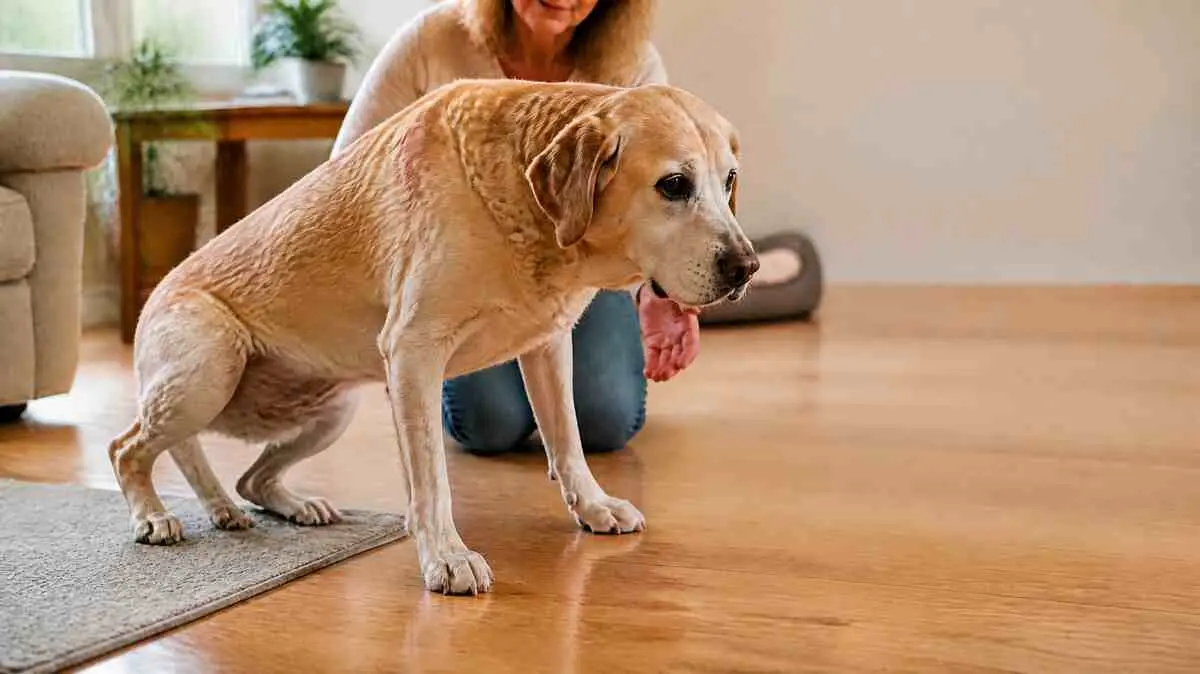
Why Are My Old Dog’s Back Legs Collapsing? Common Causes and What to Do

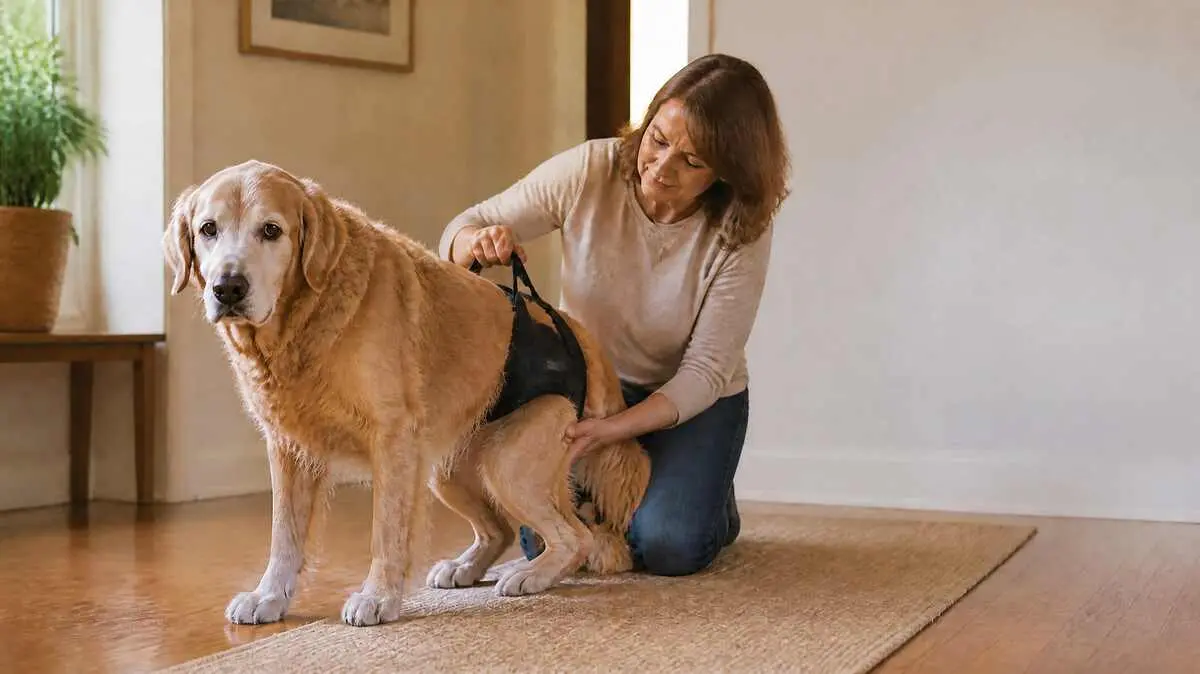
Old dog back legs collapsing while being supported with a rear-support harness on a non-slip rug indoors.

TL;DR Old dog back legs collapsing is usually a sign that something is affecting the dog’s rear-leg strength, stability, coordination, or ability to support weight. Common causes include arthritis, hip dysplasia, muscle loss, neurologic disorders, and spinal problems that reduce hind-leg function over time. Many owners first notice old dog back legs collapsing when the … Read more

What Causes Sudden Hind Leg Weakness in Dogs? Common Causes and Warning Signs

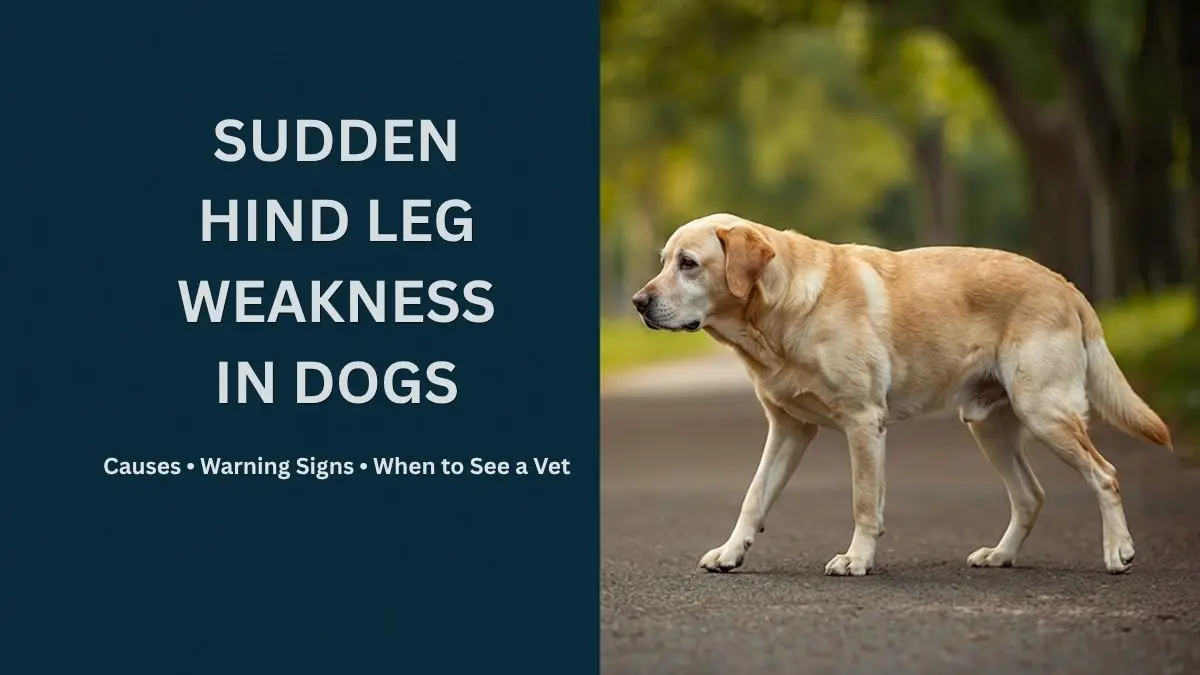
Dog showing hind leg weakness while walking, illustrating what causes sudden hind leg weakness in dogs

TL;DR What causes sudden hind leg weakness in dogs? Sudden hind leg weakness in dogs can happen for many reasons. Common causes include joint problems, neurological conditions, injuries, infections, toxin exposure, metabolic disorders, heart disease, and age-related mobility decline. Some causes are mild, while others can become emergencies very quickly. It is important to understand … Read more

Dog Arthritis Flare Up: Signs, Causes & How to Help at Home

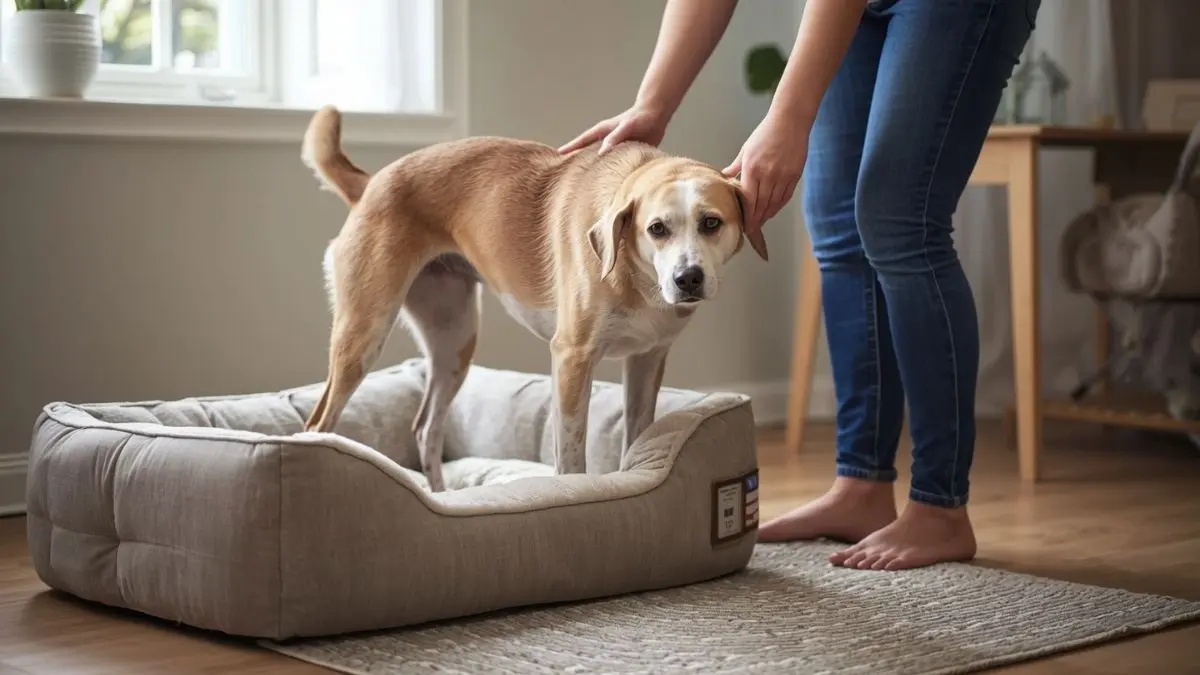
Dog arthritis flare up with owner helping a stiff senior dog stand beside an orthopedic bed at home

TL;DR A dog arthritis flare up often causes sudden worsening of stiffness, limping, slower walking, and trouble standing or climbing stairs. Many dogs with arthritis also become less active, hesitate before moving, or struggle more on slippery floors during bad flare days. Common flare-up triggers include: These triggers can increase inflammation, soreness, and joint stiffness … Read more

How to Help a Dog With Arthritis at Home: Simple Ways to Reduce Pain and Improve Mobility

How to help a dog with arthritis at home using gentle walks and safe outdoor movement

TL;DR Quick summary for worried owners Learning how to help a dog with arthritis at home starts with a simple pattern: dogs with arthritis often have good days and difficult days, even without a clear trigger. The most effective support isn’t one big change — it’s a consistent daily routine: safe footing, gentle movement, supportive … Read more