
TL;DR
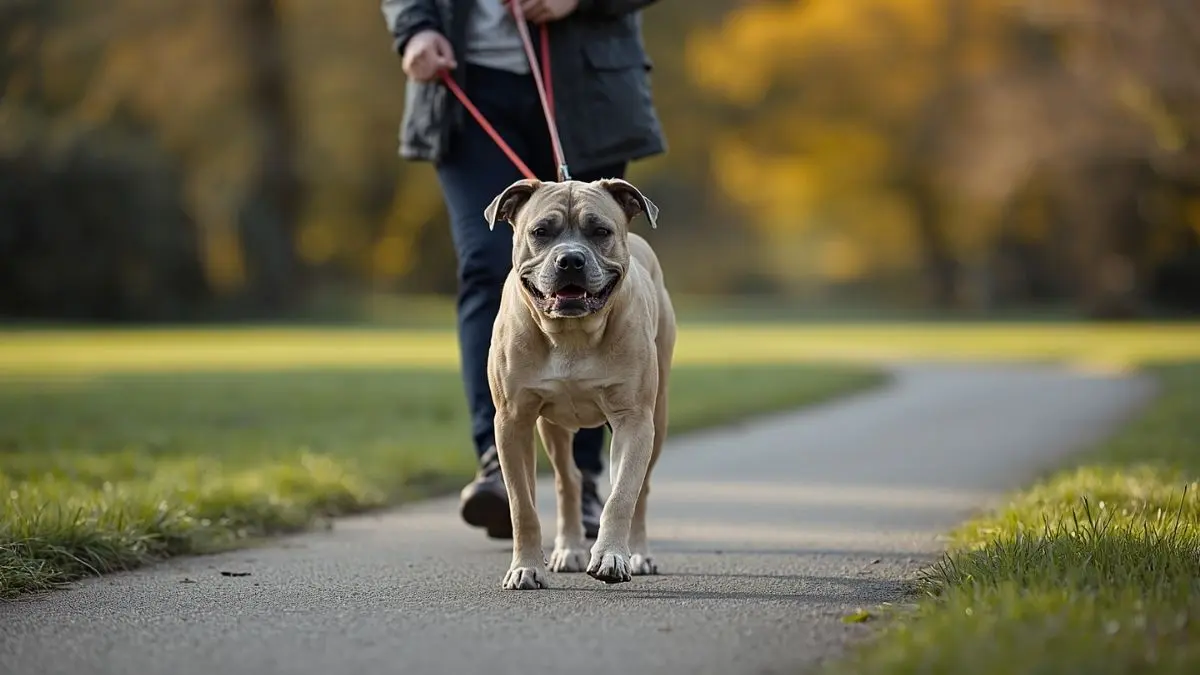
Regular low-impact exercises for dogs with arthritis can help improve mobility, reduce stiffness, and support muscle strength. Controlled movement is usually safer than complete rest because inactivity can lead to muscle loss and worsening joint problems.
Short controlled walks are often safer than long intense exercise sessions. Many arthritic dogs do better with multiple short walks instead of one long walk that overloads painful joints.
Owners who are unsure how much exercise is appropriate can learn more about how long to walk a dog with arthritis and how to adjust walking time based on comfort and recovery.
Swimming and hydrotherapy programs can help reduce joint stress while improving range of motion and muscle support. Water lowers weight-bearing pressure on stiff joints, which can make movement easier for many senior dogs.
Avoid high-impact activities such as:
- Running
- Jumping
- Rough play
- Frisbee chasing
- Sudden twisting movements
These activities can increase inflammation, worsen soreness, and trigger arthritis flare-ups.
Signs that exercise may be too hard include:
- Next-day soreness
- Increased limping
- Worsening stiffness
- Slower recovery
- Reluctance to move
If these signs appear, the dog’s exercise intensity may need adjustment. Some tiredness after exercise is normal and improves quickly with rest — signs that linger into the next day point to overexertion rather than ordinary fatigue.
A veterinarian or canine rehabilitation professional can help create a safer exercise plan based on the dog’s mobility level, affected joints, and overall health. Some signs need immediate veterinary care rather than a routine adjustment — a dog that cannot stand, refuses to bear weight on a leg, cries out in pain, or trembles severely after exercise should be seen by a veterinarian right away.
Quick Answer
What Are the Best Exercises for Dogs With Arthritis?
The best exercises for dogs with arthritis are low-impact activities that support joint mobility without putting too much stress on painful joints. Regular controlled movement can help reduce stiffness, maintain muscle strength, and improve overall mobility in dogs dealing with joint pain in dogs
Helpful dog arthritis exercises often include:
- Short leash walks
- Swimming
- Hydrotherapy
- Gentle range-of-motion exercises
- Sit-to-stand strengthening
- Low-impact mobility exercises
Each of these options works differently depending on a dog’s mobility level and comfort — here’s how they compare.
Short leash walks are one of the safest and most practical choices for many arthritic dogs. Walking helps maintain functional movement and improves circulation without the explosive force seen with running or rough play. Many dogs do better with several short walks instead of one long walk.
Swimming and canine hydrotherapy can help dogs with moderate or advanced arthritis. Water supports body weight and reduces joint loading while still allowing muscle strengthening and movement. Underwater treadmill programs can also help improve range of motion with less stress on affected joints. Canine rehabilitation specialists, such as those at Austin Canine Rehabilitation, commonly recommend hydrotherapy as part of a structured mobility plan.
Gentle range-of-motion and stretching exercises can help keep joints flexible. These controlled movements may reduce stiffness and help maintain mobility in dogs with lower activity levels.
Sit-to-stand exercises are a physical therapy technique used by veterinary rehabilitation professionals, including specialists at Mar Vista Animal Medical Center, to strengthen hind-leg muscles and improve support around arthritic joints. Dogs with reduced rear-leg strength may also benefit from the practical strategies discussed in How to Help a Dog With Weak Hind Legs at Home.
Other low impact exercises for dogs include:
- Slow hill walking
- Nose work games
- Gentle treadmill walking
- Controlled balance exercises
These activities encourage movement without heavy impact or sudden twisting.
What Makes an Exercise Safe for Arthritic Dogs?
Safe exercises for dogs with arthritis focus on controlled movement instead of intense activity. The goal is to support movement while lowering the risk of inflammation flare-ups or next-day soreness.
Safe exercise plans usually include:
- Low-impact movement
- Predictable motion
- Gradual progression
- Short exercise sessions
- Minimal twisting or jumping
Low-impact movement helps protect stiff joints from excessive force. Activities like walking on flat surfaces or swimming are usually easier on arthritic dogs than running or jumping.
Controlled and predictable movement also matters. Sudden turns, rough play, and explosive movement patterns can overload joints and worsen inflammation.
Gradual progression is important for safety. Many dogs need time to build strength and improve activity tolerance. Slowly increasing exercise sessions can help reduce soreness and support better recovery.
A veterinarian or canine rehabilitation professional can help create a safer therapeutic exercise plan based on the dog’s mobility, arthritis severity, and overall health condition.
Table of Contents
When to Worry About Exercise in Dogs With Arthritis
Exercises for dogs with arthritis should help improve mobility, not worsen pain or stiffness. Mild soreness can happen when a dog starts a new routine, but certain warning signs may show the activity is too intense or unsafe.
Knowing the difference can help owners adjust exercise early and avoid worsening joint stress.
Mild Signs That May Improve With Exercise Adjustment
Some mild symptoms may improve after reducing exercise intensity or shortening activity sessions. These signs do not always mean the dog should stop moving completely. Controlled low-impact exercise is still important for joint mobility and muscle support.
Common mild signs include:
- Mild stiffness after activity
- Slower movement after walks
- Temporary fatigue
- Mild slowing down later in the day
Arthritic dogs may move stiffly after exercise but improve once they start walking again. This type of stiffness is often different from severe soreness or injury pain.
In many cases, shorter walks, slower pacing, or more recovery time between exercise sessions may help reduce discomfort.
Signs Exercise May Be Too Hard
Some symptoms suggest that exercise for dogs with arthritis may be too intense, too long, or too high impact. These signs often appear during activity or later that day.
Warning signs include:
- Increased limping
- Next-day soreness
- Reluctance to move
- Excessive panting
- Difficulty rising
- Frequent stopping during walks
A dog that seems worse the next day may be dealing with overexercise instead of normal arthritis stiffness. For example, arthritis stiffness often improves with gentle movement, while overexertion pain may worsen after activity.
Owners may also notice that the dog suddenly will not finish walks or seems slower to recover after activity. These changes can mean the joints and muscles need more recovery time or a safer exercise plan.
The table below compares healthy exercise responses with warning signs of overexertion, based on guidance from sources like PetMD’s veterinary team.
| Signs Exercise Is Helping | Signs of Overexercise |
| Easier movement after rest | Increased limping |
| Better endurance | Next-day soreness |
| Reduced stiffness | Excessive panting |
| Improved confidence | Slower recovery |
| Better mobility during walks | Reluctance to move |
| More comfortable daily movement | Difficulty rising |
How to Tell If Exercise Is Helping Your Arthritic Dog
Early Signs a Routine Is Working
The benefits of exercise for dogs with arthritis are often gradual. Most dogs do not show dramatic changes overnight. Instead, owners may notice small improvements in everyday movement and recovery.
One of the earliest signs is easier movement after rest. A dog that once struggled to get up may begin rising more comfortably or need less time to loosen up after sleeping.
Some dogs also show less hesitation during daily activities. They may start walking more willingly, turn more smoothly, or seem more comfortable moving around the home and yard.
Recovery patterns can provide useful clues as well. Owners who are monitoring recovery and mobility changes may also benefit from understanding the common signs of joint pain in dogs. When an exercise routine is appropriate, dogs often return to their normal movement more quickly after activity. They may appear less stiff later in the day and recover more comfortably between exercise sessions.
Improvements Owners Can Track Over Time
As low-impact exercise becomes part of a consistent routine, larger functional improvements may become easier to notice. These changes are often more meaningful than simply exercising for longer periods.
Many dogs gradually develop better exercise tolerance. Activities that once seemed tiring may become easier to complete without increased soreness or slower recovery afterward.
Owners may also notice a greater willingness to move. Some dogs become more interested in walks, explore their surroundings more confidently, or participate more willingly in normal daily activities.
Improved confidence is another positive sign. Dogs that previously moved cautiously because of stiffness or instability may appear steadier on their feet and more comfortable changing positions, navigating familiar surfaces, or moving through the home.
These improvements often follow a gradual pattern:
Consistent low-impact exercise → improved muscle support → improved stability → smoother movement
The goal is not intense fitness. The goal is helping the dog maintain comfortable movement, daily function, and quality of life without worsening joint discomfort.
Normal Tiredness vs Overexercise Pain
What Normal Exercise Fatigue Looks Like
Some fatigue after activity is normal, even for dogs with arthritis. The key difference is that healthy tiredness improves with rest and does not make mobility worse afterward.
A dog experiencing normal exercise fatigue may rest for a short time after a walk or exercise session and then return to normal daily movement. The dog remains comfortable getting around the home and does not show a noticeable decline in mobility later that day.
Many dogs also maintain interest in future activity. They may still look forward to walks, participate in normal routines, and move willingly once they have recovered from a brief period of rest.
Normal exercise fatigue usually follows a simple pattern:
Appropriate exercise → temporary tiredness → rest and recovery → maintained mobility
Signs Exercise Was Too Much
Overexercise often affects recovery more than performance during the activity itself. Some dogs appear comfortable during exercise but show problems later that day or the following morning.
One of the most common signs is increased limping after activity. Exercise-related limping can sometimes continue after physical activity and may resemble the patterns seen when a dog starts limping after running. Owners may also notice more stiffness after rest, especially when the dog gets up the next day.
Other warning signs include difficulty rising, slower movement around the home, or reduced willingness to participate in walks and normal activities. A dog that needs unusually long recovery periods may be showing signs that the current exercise routine is too demanding.
These changes often follow a different pattern:
Overexercise → increased joint stress → soreness → reduced movement quality
This can lead to slower recovery, reduced exercise tolerance, and temporary mobility setbacks. Arthritic dogs may be especially prone to delayed soreness, which means signs of overexertion are sometimes easier to spot during recovery than during the exercise session itself.
Recovery quality is often a better indicator than exercise duration. Dogs that recover comfortably and return to normal movement are usually tolerating their routine better than dogs whose mobility declines after activity.
Emergency Signs That Need Veterinary Care
Some symptoms should not be monitored at home. Severe mobility changes or intense pain responses may point to serious injury, advanced arthritis complications, or another medical problem that needs veterinary attention.
Emergency warning signs include:
- Inability to stand
- Non-weight-bearing limping
- Severe pain response
- Trembling or whining
- Refusal to walk
- Heavy panting with severe discomfort
If a dog suddenly cannot walk, cries out in pain, or completely refuses to bear weight on a leg, veterinary care is important as soon as possible.
Symptoms That Show an Arthritic Dog Needs Safer Exercise
Exercises for dogs with arthritis should support movement without causing excessive soreness or joint stress. Some dogs show clear signs that their current activity level is too difficult, too long, or no longer safe for their mobility needs.
Recognizing these symptoms early may help prevent worsening stiffness, inflammation, and muscle loss.
Common Mobility Changes
Many arthritic dogs develop movement changes slowly over time. These signs often appear before severe limping or major mobility decline.
Common symptoms include:
- Stiffness after rest
- Slow walking
- Reduced endurance
- Trouble climbing stairs
- Muscle weakness
Stiffness after sleeping or lying down is very common with canine arthritis. Many owners look for ways to help a dog with stiff joints when morning stiffness starts affecting daily movement. Some dogs loosen up after gentle movement, while others continue moving slowly throughout the day.
Reduced endurance may also appear during walks. A dog that once enjoyed long walks may now tire quickly, stop more often, or need more breaks. Some owners notice the dog suddenly will not keep up like before.
Trouble climbing stairs or getting onto furniture can also point to joint pain, muscle weakness, or reduced joint mobility. Repeated stair use may place extra stress on arthritic hips, knees, and elbows.
Signs of Poor Exercise Tolerance
Some dogs show signs that their current exercise routine is harder than their body can comfortably handle. These symptoms may happen during activity or later that day.
Warning signs include:
- Frequent stopping during walks
- Slower recovery
- Soreness after activity
- Reduced willingness to move
- Increased fatigue after exercise
A dog that needs a full day to recover after a walk may be experiencing overexertion instead of healthy exercise fatigue. In many cases, shorter controlled sessions are safer than long intense activity.
Some dogs also become less interested in movement over time. This can happen when arthritis pain, inflammation, or muscle weakness makes activity uncomfortable.
Emotional and Behavioral Changes
Arthritis can affect emotional confidence as well as physical mobility. Dogs that feel unstable or painful during movement may start avoiding activities they once enjoyed.
Behavioral changes may include:
- Fear of slipping
- Reduced confidence
- Avoidance of movement
- Irritability from discomfort
- Hesitation on smooth floors
Slippery flooring can increase instability and fear of falling in arthritic dogs. Some dogs move carefully across tile or hardwood because they no longer trust their balance.
Chronic discomfort may also affect mood and behavior. A normally social dog may seem withdrawn, frustrated, or less willing to participate in walks or play.
If mobility problems continue getting worse, a veterinarian can help evaluate the dog’s condition and recommend safer low-impact exercise or rehabilitation support.
Causes of Exercise Problems in Dogs With Arthritis
Exercises for dogs with arthritis can become difficult when painful joints, muscle weakness, and reduced mobility start affecting normal movement. Arthritis changes how the body moves, recovers, and handles physical activity.
Both overexercise and inactivity can worsen mobility problems over time.
How Arthritis Affects Movement
Canine arthritis affects much more than the joints alone. Chronic inflammation and reduced joint function can slowly change the way a dog walks, stands, and moves during daily activity.
Common arthritis-related movement problems include:
- Joint inflammation
- Reduced range of motion
- Muscle loss
- Joint stiffness
- Compensatory movement patterns
Inflamed joints often become stiff and painful. As range of motion decreases, the dog may avoid certain movements or place extra weight on healthier limbs.
Over time, reduced activity can lead to muscle weakness and muscle wasting. Weaker muscles provide less support around arthritic hips, knees, elbows, and other affected joints.
Some dogs also develop compensatory movements. This means they change their gait or posture to avoid discomfort. These abnormal movement patterns can place additional stress on other muscles and joints.
Why Too Much Exercise Can Make Arthritis Worse
Too much activity can overload painful joints and trigger inflammation flare-ups. High-impact movement or long intense exercise sessions may increase soreness instead of improving mobility.
Problems linked to overexercise include:
- Joint overload
- Inflammation flare-ups
- Increased soreness
- Muscle fatigue
- Reduced recovery ability
Activities such as running, jumping, rough play, or repeated stair climbing can place excessive force on arthritic joints. Sudden twisting and explosive movement may worsen lameness and next-day stiffness.
Some dogs also recover more slowly after exercise because arthritis reduces normal joint function and movement efficiency. This is why many arthritic dogs do better with short controlled sessions instead of intense activity.
Why Too Little Exercise Is Also Harmful
Complete rest is usually not the best long-term approach for arthritic dogs. Too little movement can create a cycle of worsening weakness and reduced mobility.
Problems linked to inactivity include:
- Muscle wasting
- Reduced joint support
- Worsening stiffness
- Reduced mobility
- Weight gain
When dogs move less, muscles gradually weaken and joints lose support. Reduced activity may also decrease circulation and increase stiffness after rest.
Weight gain can make the problem worse because extra body weight increases stress on already painful joints. This may lower exercise tolerance even further.
Why Controlled Exercise for Dogs With Arthritis Works Best
Controlled exercise for dogs with arthritis helps balance movement and recovery more safely. The goal is not intense fitness. The goal is maintaining comfortable movement and preserving daily function.
Regular low-impact exercise may help:
- Maintain muscle strength
- Improve circulation
- Reduce stiffness
- Support mobility
- Preserve quality of life
Controlled movement can also help improve blood flow to muscles and joints while reducing stiffness after rest. Many dogs tolerate predictable short exercise sessions better than occasional intense activity.
This balance is important because arthritis often follows a gradual cause-and-effect pattern:
Arthritis → stiffness → reduced movement → muscle loss → worsening mobility
Controlled walking and other low-impact activities may help slow this cycle and support safer long-term mobility.
What the Right Exercise Routine Means for an Arthritic Dog
The best exercises for dogs with arthritis are not designed to create intense fitness or athletic performance. The main goal is helping the dog move more comfortably, stay active safely, and maintain daily function for as long as possible.
The Goal Is Movement Support, Not Intense Fitness
Arthritic dogs usually benefit most from gentle, controlled movement. Safe exercise routines focus on supporting mobility instead of pushing
physical limits.
The goal is to:
- Preserve function
- Reduce stiffness
- Improve comfort
- Maintain independence
Regular low-impact movement may help dogs continue normal daily activities such as walking, standing, and changing positions more comfortably.
Controlled activity can also help maintain muscle strength around painful joints. Stronger muscles often provide better support for hips, knees, elbows, and other affected areas.
For many senior dogs, preserving independence is an important part of quality of life. Even small improvements in mobility can help a dog feel more confident during daily movement.
Why Consistency Matters More Than Intensity
Many arthritic dogs tolerate predictable routines better than occasional intense activity. Multiple short exercise sessions are often safer than one long walk or sudden heavy exercise.
A consistent routine may help provide:
- Multiple short sessions
- Predictable activity
- Safer recovery
- Lower flare-up risk
Short controlled walks can help reduce stiffness between rest periods while lowering the risk of joint overload. Predictable movement also makes recovery easier for dogs with reduced mobility or slower healing ability.
Irregular intense activity can be harder on arthritic joints. Some dogs experience inflammation flare-ups or next-day soreness after sudden overactivity.
How to Build an Exercise Routine Gradually
Start Small and Focus on Consistency
Many dogs with arthritis respond better to consistent activity than sudden increases in exercise. A predictable routine gives joints, muscles, and supporting tissues time to adapt to regular movement.
Short, controlled exercise sessions are often easier to tolerate than occasional periods of heavy activity. Consistency also makes it easier to identify whether the dog is becoming more comfortable or showing signs that the routine needs adjustment.
Recovery should be observed after every exercise session. How a dog feels later that day and the following morning often provides valuable information about whether the activity level is appropriate.
A predictable routine can also help reduce mobility setbacks. Frequent changes in exercise intensity may make it harder to recognize patterns in stiffness, recovery, and overall exercise tolerance.
When to Increase Activity
Exercise should only progress when the dog continues recovering comfortably. The goal is gradual improvement in movement quality, not rapid increases in activity.
Signs that a dog may be ready for slightly more activity include comfortable recovery, stable mobility, and no worsening stiffness after exercise. The dog should also continue moving willingly without showing signs of soreness during normal daily activities.
A gradual progression often follows this pattern:
Controlled exercise → comfortable recovery → improved exercise tolerance → gradual activity increase
Progression may need to slow or pause if new stiffness appears, recovery becomes slower, or mobility seems worse the following day. These changes can suggest that the current activity level is already meeting the dog’s needs.
Because arthritis symptoms can fluctuate from day to day, successful exercise routines are usually built around consistency and recovery quality rather than trying to increase activity as quickly as possible.
Exercise tolerance often changes as the stages of arthritis in dogs become more advanced. The table below compares common exercise needs at different mobility stages.
| Early Arthritis | Advanced Arthritis |
| Often tolerates longer walks | Usually needs shorter sessions |
| Mild strengthening exercises may help | May need mobility support devices |
| Slower stiffness progression | Higher flare-up risk |
| Moderate low-impact exercise | Very controlled low-impact movement |
| Walking programs often work well | Hydrotherapy may help more |
| Better recovery ability | Reduced recovery tolerance |
Cause → Effect Movement Patterns
Arthritis often creates a gradual cycle of worsening mobility when pain and reduced movement continue over time. Understanding these movement patterns may help owners recognize why controlled exercise matters.
Common cause-and-effect patterns include:
- Arthritis → stiffness → reduced movement → muscle loss → worsening mobility
- Overexercise → inflammation → soreness → limping
- Controlled walking → muscle support → reduced pain → easier movement
When dogs move less because of stiffness or pain, muscles can weaken and joints lose support. This may make walking even harder later.
Controlled walking and other low impact exercises for dogs may help interrupt this cycle by supporting circulation, mobility, and muscle condition without excessive stress on the joints.
A veterinarian or canine rehabilitation professional can help adjust exercise routines based on the dog’s comfort, mobility changes, and arthritis severity.
Understanding these movement patterns helps explain why exercise selection matters. Choosing activities that support mobility without overloading painful joints is often an important part of long-term arthritis management.
What to Do: Best Exercises for Dogs With Arthritis
The best exercises for dogs with arthritis are low-impact activities that support mobility without placing too much stress on painful joints.
Controlled movement can help reduce stiffness, maintain muscle strength, and improve daily comfort when done safely and consistently.
Warm-Up and Cool-Down Tips for Dogs With Arthritis
Why Arthritic Dogs Often Need a Warm-Up
Many dogs with arthritis are stiff when they first get up after resting. Owners often notice a similar pattern when a dog is stiff after lying down. This stiffness often makes the first few minutes of movement look slower and less comfortable.
A common pattern is:
Rest → stiffness → slower movement → need for a warm-up
As the dog begins moving, joints and muscles often loosen up gradually. Many owners notice that a dog who seems stiff before walking starts moving more smoothly after a few minutes of gentle activity.
Starting exercise too quickly can place extra stress on stiff joints. A short warm-up helps prepare the body for movement and may make exercise feel more comfortable. It can also help owners identify problems early. If mobility gets worse instead of improving during the warm-up, the exercise routine may need adjustment.
Simple Warm-Up and Cool-Down Routine
Most arthritic dogs benefit from a few minutes of gentle movement before more structured exercise. A simple warm-up can include slow leash walking at an easy pace and other controlled movements that do not force the joints beyond a comfortable range.
A basic progression may look like:
- Start with slow leash walking
- Allow the dog to move at a comfortable pace
- Gradually increase activity only if movement becomes smoother
- Continue with the planned exercise session
This gradual approach follows a simple pattern:
Warm-up → improved mobility → safer exercise
The cool-down is equally important. Instead of ending activity suddenly, gradually slow the pace during the final few minutes of exercise. This gives muscles and joints time to transition back to a resting state.
A gradual cool-down may support recovery and help reduce stiffness later in the day.
Cool-down → improved recovery → less post-exercise stiffness
Dogs that remain uncomfortable, become more stiff, or show increased limping after exercise may need a gentler routine or veterinary guidance to help identify a safer activity level.
Walking Programs for Dogs With Arthritis
Why Walking Helps
Walking is one of the safest and most useful dog arthritis exercises for many dogs. Short controlled walks help keep joints moving while supporting normal daily movement patterns.
Benefits of walking may include:
- Maintains joint mobility
- Supports muscle strength
- Preserves functional movement
- Helps reduce stiffness
- Supports circulation
Regular walking can also help maintain muscle mass around arthritic joints, which may improve stability and reduce strain during movement.
How Long to Walk a Dog With Arthritis
Many arthritic dogs do better with short frequent walks instead of one long session. This helps lower joint overload and may reduce next-day soreness.
A common starting point includes:
- 10-minute walks
- 2–3 times daily
- Slow controlled pace
- Gradual increases if tolerated
Some dogs may eventually tolerate longer total activity time when exercise is increased slowly and safely. Owners should monitor for limping, worsening stiffness, or slower recovery after walks.
Best Walking Surfaces
Walking surfaces can affect comfort and joint stress. Predictable surfaces are usually safer for arthritic dogs.
Safer walking surfaces include:
- Flat grass
- Firm even terrain
- Soft predictable surfaces
These surfaces may reduce slipping and lower impact force on painful joints. Uneven or unstable terrain can increase strain and make balance harder for dogs with reduced mobility.
The following table compares safer walking surfaces with environments that may increase joint stress or instability.
| Safer Surfaces | Unsafe Surfaces |
| Flat grass | Slippery tile |
| Firm even ground | Smooth hardwood floors |
| Rubber flooring | Loose gravel |
| Non-slip rugs | Uneven rocky terrain |
| Predictable walking paths | Wet slippery surfaces |
Walking Mistakes to Avoid
Some walking habits may worsen arthritis pain or trigger flare-ups. Common mistakes include:
- Long intense walks
- Weekend overactivity
- Rough terrain
- Fast pace walking
Dogs with arthritis often tolerate consistent moderate activity better than sudden intense exercise after long periods of rest.
Is Swimming Good for Dogs With Arthritis?
Benefits of Swimming and Hydrotherapy
Swimming for dogs with arthritis can provide low-impact conditioning with less stress on painful joints. Water supports body weight, which helps reduce pressure during movement.
Benefits may include:
- Reduced weight-bearing stress
- Improved range of motion
- Low-impact conditioning
- Muscle strengthening
- Improved flexibility
These benefits can make hydrotherapy helpful for overweight dogs, senior dogs, or dogs with multiple affected joints.
Underwater Treadmill Therapy
An underwater treadmill for dogs combines controlled walking with water support. This may allow safer strengthening with less joint loading than regular walking.
Benefits may include:
- Controlled movement
- Safer strengthening
- Better support for severe arthritis
- Improved gait support
Veterinary rehabilitation professionals often use underwater treadmill therapy as part of physical therapy for dogs with arthritis.
Swimming Safety Tips
Swimming should still be approached carefully because some dogs tire quickly or struggle with slippery surfaces.
Helpful safety tips include:
- Supervised sessions
- Safe entry and exit
- Avoid slippery surfaces
- Controlled swimming time
- Rest breaks when needed
Dogs with severe weakness or poor balance may need extra support during water therapy for dogs.
Physical Therapy Exercises for Dogs With Arthritis
Sit-to-Stand Exercises
Sit-to-stand movements are common physical therapy exercises for dogs with arthritis. They help strengthen hind-leg muscles and improve support around painful joints.
Benefits may include:
- Hind-leg strengthening
- Joint support improvement
- Better functional movement
Pole Walking Exercises
Pole walking uses slow stepping over low obstacles such as broomsticks or poles placed safely apart.
Benefits may include:
- Coordination support
- Proprioception improvement
- Better controlled movement
- Increased joint flexion
Three-Legged Stands
Three-legged stands involve briefly shifting weight while one paw is gently lifted. These exercises should be done carefully and only if tolerated comfortably.
Benefits may include:
- Balance training
- Core strengthening
- Individual leg support
- Coordination improvement
Backward Walking Exercises
Slow backward stepping can help engage stabilizing muscles and improve body awareness. Some dogs perform these exercises more easily with treats or gentle guidance.
Benefits may include:
- Stabilizing muscle engagement
- Coordination support
- Balance improvement
- Controlled movement practice
Passive Range-of-Motion Exercises
Passive range-of-motion exercises gently move joints through a comfortable motion range without forcing movement.
Benefits may include:
- Gentle flexibility support
- Mobility maintenance
- Reduced stiffness
- Joint mobility support
These exercises are often used for dogs with reduced mobility or advanced arthritis.
Low-Impact Activities That Help Arthritic Dogs Stay Active
Some activities allow dogs to stay mentally and physically active without heavy impact on painful joints.
Helpful low-impact activities may include:
- Nose work
- Scent games
- Gentle treadmill walking
- Slow hill walking
- Controlled tug games
These activities may support mobility, mental stimulation, and movement confidence while lowering the risk of explosive joint stress.
The table below compares safer low-impact activities with exercises that commonly worsen arthritis flare-ups.
| Safer Low-Impact Exercises | Exercises to Avoid |
| Short leash walks | Long intense walks |
| Swimming | Running |
| Hydrotherapy | Jumping |
| Gentle treadmill walking | Frisbee |
| Sit-to-stand exercises | Agility |
| Scent games | Flyball |
| Pole walking | Rough dog park play |
| Passive range-of-motion exercises | Sudden twisting movements |
Indoor Exercise Ideas for Dogs With Arthritis
Low-Impact Indoor Movement Activities
Indoor exercise can help maintain movement when weather or outdoor conditions make regular activity more difficult.
Controlled walking indoors is one simple option. Short walks through hallways or larger rooms can encourage regular movement without exposing the dog to uneven terrain or challenging outdoor conditions.
Gentle mobility exercises can also help keep joints moving. Activities such as slow sit-to-stand exercises, controlled weight shifting, or other comfortable movement exercises may support mobility while placing minimal stress on painful joints.
Some dogs enjoy safe indoor obstacle navigation. Walking around cushions or other household objects at a slow pace can encourage controlled movement, coordination, and body awareness without requiring jumping or sudden turns.
Indoor Mental Enrichment Activities
Physical movement is important, but mental activity can also help keep arthritic dogs engaged when exercise options are limited.
Scent games are a low-impact way to encourage activity. Hiding treats around a room or creating simple food-search activities allows dogs to move at their own pace while using natural problem-solving skills.
Puzzle feeders can provide additional mental stimulation. These activities encourage engagement and exploration without requiring intense physical effort.
Indoor routines often work best when physical movement and mental enrichment are combined. This approach helps many dogs stay active while avoiding unnecessary joint stress.
A consistent indoor routine may support:
Indoor movement → maintained mobility → less stiffness → more predictable activity levels
Safe footing remains important during indoor exercise. Dogs that struggle with traction indoors may benefit from addressing the reasons they slip on smooth floors before beginning indoor exercise routines. Non-slip surfaces can help improve confidence and reduce hesitation in dogs that are uncomfortable walking on smooth floors.
Exercises and Activities to Avoid
High-Impact Activities
High-impact activity can place excessive force on arthritic joints and increase inflammation.
Activities to avoid include:
- Running
- Jumping
- Frisbee
- Agility
- Flyball
Unsafe Play Patterns
Some play styles create sudden twisting and uncontrolled movement that may worsen soreness or limping.
Unsafe patterns include:
- Rough dog park play
- Sudden twisting
- Explosive movement
- Abrupt stopping and turning
These activities may overload painful joints and increase flare-up risk.
Environmental Risks
The environment also affects exercise safety for arthritic dogs.
Common risks include:
- Slippery floors
- Repeated stair use
- Unstable footing
- Smooth tile or hardwood surfaces
Instability may increase fear of falling and reduce movement confidence.
Home Support That Makes Exercise Safer
Non-Slip Flooring
Traction support may help reduce slipping and improve confidence during movement.
Helpful options include:
- Yoga mats
- Rugs
- Toe grips
- Paw wax
- Non-slip runners
Ramps and Mobility Support
Ramps may help reduce repeated jumping and stair strain.
Helpful tools include:
- Furniture ramps
- Vehicle ramps
- Stair alternatives
These supports may help preserve independence for dogs with moderate or advanced arthritis.
Harnesses and Slings
Support devices may help dogs walk more comfortably when weakness or instability becomes more noticeable.
Helpful options include:
- Rear-support harnesses
- Full-body harnesses
- Walking support slings
Some dogs need temporary support, while others benefit from long-term mobility assistance.
The table below explains common mobility-support tools and when they may help arthritic dogs most.
| Support Tool | Main Benefit |
| Rear-support harness | Helps support weak hind legs |
| Full-body harness | Supports overall balance and walking |
| Walking sling | Assists dogs with severe weakness |
| Mobility harness with handles | Helps owners guide movement safely |
Orthopedic Bedding and Recovery Support
Comfortable recovery areas can help reduce soreness after activity. Many owners also use supportive home care strategies to help a dog with arthritis stay more comfortable between exercise sessions.
Orthopedic bedding may help by:
- Reducing joint pressure
- Supporting recovery after activity
- Improving rest quality
How to Adjust Exercise During Arthritis Flare-Ups
How to Adjust Exercise on Bad Arthritis Days
Signs a Dog May Need a Lighter Routine
Exercise tolerance is not always the same from one day to the next. Some dogs have days when normal activities feel more difficult, even if the overall exercise plan is working well. Temporary mobility setbacks can sometimes occur during periods of increased arthritis discomfort.
One of the earliest signs is increased stiffness. A dog may take longer to loosen up after resting or move more slowly than usual during the first part of the day.
Some dogs also tire sooner than expected. Earlier fatigue, slower movement, or reduced enthusiasm for walks can suggest that the body is not ready for the same activity level used on better days.
These changes often follow a simple pattern:
Increased discomfort → reduced exercise tolerance → normal activity feels harder → exercise adjustment needed
Recognizing these temporary changes can help owners adjust activity before mobility declines further.
Gentle Alternatives to Normal Exercise
A lighter routine does not always mean stopping movement completely. Many dogs remain more comfortable when activity is modified rather than removed altogether.
Shorter walks and lower-intensity movement can help maintain joint mobility while placing less stress on painful joints. The focus should remain on comfortable movement and good recovery rather than completing a specific amount of exercise.
Mental enrichment can also help on days when physical activity needs to be reduced. Activities such as scent games, food-search activities, and other low-effort enrichment tasks encourage engagement without placing additional strain on the joints.
A modified routine often follows this pattern:
Reduced exercise intensity → lower joint stress → improved comfort → maintained movement
Once mobility and recovery return to normal, activity can gradually return to the dog’s usual routine. The goal is to adjust movement to the dog’s daily comfort level while maintaining safe, consistent activity whenever possible.
Signs a Dog Needs Reduced Activity
Some dogs need lighter activity during flare-ups or periods of worsening soreness.
Warning signs include:
- Increased soreness
- Worsened limping
- Slower recovery
- Reluctance to move
These symptoms may suggest that the current routine is temporarily too difficult.
Safer Flare-Up Activities
During flare-ups, gentle movement is often safer than intense activity.
Safer activities may include:
- Gentle movement
- Short walks
- Mental enrichment
- Scent work
- Calm leash activity
When Rest Helps More Than Exercise
Sometimes temporary rest becomes more important than exercise. This is more likely during severe soreness or major mobility decline.
Rest may help more during:
- Severe soreness
- Acute inflammation
- Significant mobility decline
- Major flare-ups
If a dog suddenly cannot walk, refuses to stand, or shows severe pain, veterinary evaluation is important.
FAQ
Should Dogs With Arthritis Exercise?
Yes. Regular low-impact exercise is usually an important part of arthritis support for dogs. Controlled movement may help reduce stiffness, maintain muscle strength, improve joint mobility, and support overall quality of life. Most arthritic dogs do better with gentle, consistent activity instead of complete rest or occasional intense exercise.
Is Walking Good for Dogs With Arthritis?
Yes. Walking is often one of the best exercises for dogs with arthritis when done at a slow, controlled pace. Short walks may help maintain functional movement and reduce stiffness between rest periods. Flat, predictable surfaces are usually safer than rough or slippery terrain.
How Long Should You Walk a Dog With Arthritis?
Many dogs with arthritis start with short 10-minute walks, 2–3 times daily, at a slow controlled pace. Exercise can gradually increase if the dog tolerates activity without worsening soreness, limping, or slower recovery the next day.
Can Too Much Exercise Make Arthritis Worse in Dogs?
Yes. Too much exercise can overload painful joints and trigger arthritis flare-ups in dogs. Activities such as running, jumping, rough play, or sudden twisting may worsen soreness and limping. Signs of overexercise may include increased stiffness, next-day soreness, slower recovery, reluctance to move, and increased limping.
What Is Hydrotherapy for Dogs?
Hydrotherapy is a type of low-impact rehabilitation that uses water to support movement and exercise. Some dogs use underwater treadmills, while others take part in supervised swimming sessions. Water reduces weight-bearing stress, which may make movement easier for dogs with arthritis or mobility problems.
Are Stairs Bad for Dogs With Arthritis?
Repeated stair use can place extra stress on arthritic joints, especially in dogs with hip, knee, or hind-leg weakness. Some dogs struggle more with stairs as arthritis progresses. Ramps or stair alternatives may help reduce joint strain in some homes.
How Can Owners Tell if a Dog Is Overexercised?
A dog may be overexercised if symptoms worsen after activity instead of improving with movement. Warning signs may include increased limping, next-day soreness, excessive panting, difficulty rising, slower recovery, and reduced willingness to walk. If these signs continue or become severe, a veterinarian can help adjust the exercise routine more safely.
How should an arthritic dog warm up before exercise?
Most arthritic dogs benefit from a few minutes of slow, gentle movement before exercise. A short warm-up walk at an easy pace can help reduce stiffness and prepare joints and muscles for activity.
Can skipping a warm-up make arthritis symptoms worse?
It can. Starting activity too quickly may place extra stress on stiff joints. A brief warm-up may help improve mobility and make exercise more comfortable.
How can owners tell if exercise is helping?
Exercise is often helping when mobility, recovery, and confidence gradually improve without increased soreness. Positive changes are usually small at first and become easier to notice over time.
What does normal tiredness look like after exercise?
Normal tiredness usually involves a short period of rest followed by a return to normal movement. The dog remains interested in future activity and does not appear more stiff the following day.
What indoor exercises are safe for arthritic dogs?
Safe indoor options may include controlled walking indoors, gentle mobility exercises, slow obstacle navigation around household objects, and other low-impact activities performed on stable, non-slip surfaces.
Does Walking Help Dogs With Arthritis?
Walking may help support circulation, muscle strength, and joint mobility in arthritic dogs. Many dogs feel less stiff after gentle movement because controlled exercise helps keep joints active.
However, long intense walks may worsen soreness or limping in some dogs.
Is Swimming Good for Dogs With Arthritis?
Yes. Swimming for dogs with arthritis can provide low-impact conditioning while reducing stress on painful joints. Water supports body weight, which helps many dogs move more comfortably.
The comparison below shows how walking and swimming support dogs with arthritis differently.
| Walking | Swimming / Hydrotherapy |
| Supports daily functional movement | Reduces weight-bearing stress |
| Easy for most dogs to start | Useful for dogs with severe arthritis |
| Helps maintain muscle strength | Supports range of motion |
| Can be done multiple times daily | Often requires supervision |
| Best on flat predictable surfaces | Safer with controlled entry and exit |
| May worsen soreness if overdone | Lower joint impact for many dogs |
Hydrotherapy and underwater treadmill programs may also help improve range of motion and muscle support.
What Are the Best Low-Impact Exercises for Senior Dogs?
Helpful low impact exercises for dogs may include:
- Short leash walks
- Swimming
- Hydrotherapy
- Nose work
- Scent games
- Gentle treadmill walking
- Passive range-of-motion exercises
These activities may help support mobility while reducing excessive joint stress.
Sources & References
- Zoetis Petcare — https://www.zoetispetcare.com/blog/article/helping-dogs-with-arthritis-exercise
- CARE (Canine Arthritis Resources and Education) — https://caninearthritis.org/article/exercise-for-dogs-with-arthritis/
- VCA Animal Hospitals — https://vcahospitals.com/know-your-pet/arthritis-in-dogs
- Blue Cross — https://www.bluecross.org.uk/advice/dog/health-and-injuries/arthritis-in-dogs
- Austin Canine Rehabilitation — https://austincaninerehab.com/blog/exercise-for-dogs-with-arthritis/
- ToeGrips (Dr. Julie Buzby) — https://toegrips.com/dog-arthritis-treatment-at-home/
- TopDog Health — https://topdoghealth.com/exercises-for-dogs-with-arthritis/
- Canine Arthritis Management — https://caninearthritis.org/article/warm-ups-cooldowns-dogs/
- Canine Arthritis Management — https://caninearthritis.org/article/activity-modifications/
- PetMD — https://www.petmd.com/dog/general-health/signs-your-dog-getting-too-much-exercise
- Mar Vista Animal Medical Center — https://www.marvistavet.com/physical-therapy-for-arthritic-patients.pml
Soft CTA
Helping a dog with arthritis stay active often requires patience, consistency, and careful observation. Small mobility changes such as worsening stiffness, slower recovery, or increased limping may signal that the current exercise routine needs adjustment.
Many dogs do best with gradual low-impact movement instead of sudden intense activity. Short controlled walks, gentle mobility exercises, and predictable routines may help support comfort, muscle strength, and daily function over time.
Working with a veterinarian over time — not just once — often makes the biggest difference, since exercise needs can shift as arthritis progresses or as a dog’s mobility changes season to season.
Update Note
Last reviewed and updated: July 15, 2026
This update clarified the difference between normal post-exercise tiredness and true overexertion, and added guidance on which exercise-related symptoms need immediate veterinary care versus a routine adjustment to the exercise plan.
Educational content only. This article is not a substitute for professional veterinary advice, diagnosis, or treatment. Any dog showing worsening pain, increased limping, or reluctance to move should be evaluated by a veterinarian.