
TL;DR
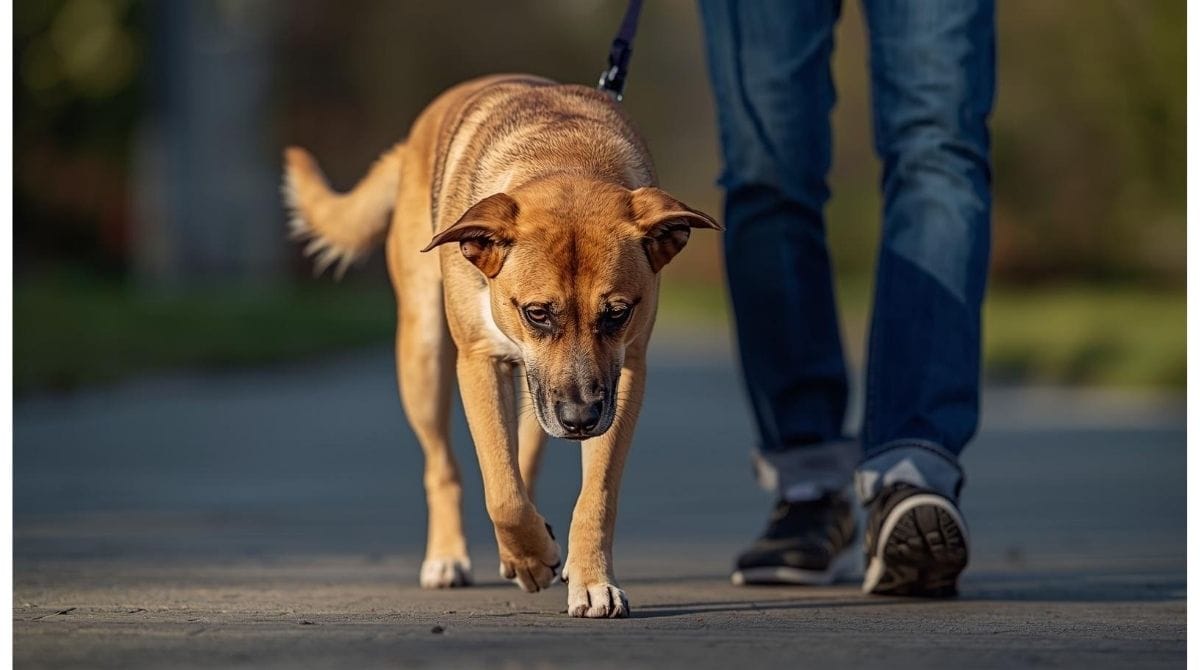
If you’re wondering why is my dog walking slow all of a sudden, it usually means something is not right. Pain, weakness, injury, or illness can slow movement. If you’re unsure about the cause, it helps to understand why is my dog limping, as both issues often share similar underlying problems. In many cases:
joint pain → stiffness → reduced movement → slower walking
Common causes include joint problems, muscle strain, nerve issues, infection, fatigue, and age-related stiffness. The dog may also move less, seem tired, or avoid jumping and climbing.
Some signs need urgent care. These include collapse, dragging back legs, severe weakness, pale gums, fast breathing, seizures, or trouble standing.
When slow walking is accompanied by weakness, balance problems, or difficulty rising, owners may also want to understand why is my dog struggling to stand up and what underlying mobility conditions may be involved.
Mild cases may improve with short rest and less activity. If the dog gets worse, does not improve, or shows warning signs, a veterinarian should check the dog.
Quick Answer Box
If a dog starts walking slow all of a sudden, the most common reasons are pain, weakness, injury, or illness.
- Joint problems can cause stiffness and discomfort
- Muscle strain can make movement careful and slow
- Nerve problems can cause weakness or poor control
- Illness or fatigue can reduce energy
A simple pattern often looks like this:
injury or illness → pain or weakness → reduced movement → slow walking
This change needs urgent attention if the dog cannot stand, drags the back legs, seems very weak, or has trouble breathing.
If the dog is mildly sore, alert, and improving, short rest and gentle activity may help while monitoring closely. If there is no improvement, a veterinarian should check the dog.
Table of Contents
When Should You Worry About a Dog Walking Slow?
Warning Signs vs Mild Symptoms
| Mild Signs (Monitor) | Serious Signs (Vet Needed) |
| Walking slower than usual | Cannot bear weight on a limb |
| Stiff when getting up | Sudden collapse or extreme weakness |
| Shorter walks, more rest | Dragging back legs |
| Lagging behind on walks | Pale gums or rapid breathing |
| Reluctant to jump or climb | Seizures or confusion |
| Licking paw repeatedly | Continuous vomiting or diarrhea |
A dog walking slow can be mild or serious. What matters most is how fast it started and what other signs appear.
Some changes show the body is under stress:
nerve problem → weakness → loss of control → dragging legs
These signs help decide if it is an emergency or if a vet visit can wait a short time.
Emergency Warning Signs
These signs can point to a serious problem. Immediate veterinary care is needed.
- Cannot bear weight on one leg
- Sudden collapse or extreme weakness
- Dragging back legs or unable to stand
- Pale gums or very fast breathing
- Seizures or confusion
- Continuous vomiting or diarrhea
These signs may mean injury, nerve damage, or a serious body problem.
Signs That Need a Vet Soon
These signs are not always emergencies but should not be ignored.
- Movement getting worse quickly
- Strong pain when touched
- Weakness in the back legs
- Wobbling or poor balance
These changes often suggest joint pain, injury, or nerve issues that need proper evaluation.
Dogs showing weakness in the back legs may also benefit from the practical home-support tips discussed in How to Help a Dog With Weak Hind Legs at Home.
What Signs Come With Slow Walking in Dogs?
Slow walking rarely comes alone. Other small changes often appear at the same time.
Watching these signs helps show if the problem is mild or more serious.
Common Movement Changes
These are often the first signs noticed.
Walking slower than usual
Lagging behind on walks
Taking shorter walks and resting more
This often follows:
discomfort or low energy → reduced movement → slower walking
The dog still moves, but with less speed and interest.
Stiffness and Pain Signs
Some signs point to joint or muscle discomfort. To better understand these changes, see how to tell if your dog has joint pain, as many of these signs overlap.
- Stiff when getting up after rest
- Reluctant to jump, climb, or use stairs
- Licking one paw repeatedly
This often follows:
joint or muscle stress → pain → hesitation → slower movement
The dog avoids movements that need more effort.
Balance and Coordination Issues
These signs suggest problems with control or strength.
- Wobbling or unsteady walking
- Bunny hopping or swaying
- Dragging nails or scuffing the ground
This often follows:
nerve or balance issue → poor coordination → unstable walking
The dog may look unsure while moving, not just slow.
Why Is My Dog Walking Slow All of a Sudden? (Main Causes)
Common Causes of Slow Walking in Dogs
| Cause Category | Example Conditions | What It Affects |
| Joint / Bone / Muscle | Osteoarthritis, hip dysplasia, ligament tear | Pain, joint movement |
| Neurological (Brain / Spine) | IVDD, degenerative myelopathy, nerve damage | Coordination, strength |
| Injury / Trauma | Falls, fractures, major trauma | Movement, weight-bearing |
| Infection / Illness | Tick-borne diseases, anemia, cancer | Energy, overall strength |
| Environmental / Lifestyle | Heat, cold weather, fatigue, aging | Stiffness, energy levels |
| Other Medical Issues | Low blood sugar, toxins, heart disease | Weakness, body function |
Many things can cause slow walking. Some affect joints and muscles. Others affect nerves, the brain, or the whole body.
The cause matters because slow walking can come from pain, weakness, poor control, or low energy.
Joint, Bone, and Muscle Problems
These are common causes.
- Osteoarthritis causes joint pain and stiffness
- Hip or elbow dysplasia affects joint fit and movement
- Cruciate ligament injury makes the knee unstable
- Luxating patella causes the kneecap to slip
- Muscle strain or sprain happens after activity or sudden movement
- Paw or nail injuries cause local pain
- Bone infection or cancer can cause deep pain
Pattern:
joint or muscle damage → pain and inflammation → slower movement
Nerve and Brain Conditions
These affect control and coordination.
- IVDD puts pressure on the spinal cord
- Degenerative myelopathy causes gradual weakness
- Lumbosacral disease affects lower back nerves
- Brain disorders affect balance and awareness
- Vestibular disease affects balance
- Peripheral nerve problems weaken movement
Pattern:
nerve problem → weakness or poor control → slow or unstable walking
Injuries and Trauma
These often cause sudden changes.
- Falls or twists can strain joints or muscles
- Fractures cause severe pain
- Major trauma can affect multiple body parts
A dog may look normal one day and slow the next.
Illness and Body Conditions
Some causes affect the whole body.
- Infections reduce energy
- Tick-borne diseases affect joints and movement
- Anemia lowers oxygen levels
- Cancer can cause pain and weakness
- Diabetes affects energy
- Heart disease reduces stamina
- Kidney problems lower overall strength
Pattern:
illness → fatigue or weakness → less movement → slow walking
Environment and Lifestyle Factors
Sometimes the cause is external.
- Heat and humidity reduce energy
- Cold, damp weather increases stiffness
- Over-exercise causes fatigue
- Aging reduces flexibility
- Fear or anxiety affects movement
These affect comfort, energy, or confidence.
Other Medical Causes
Some problems appear suddenly.
- Low blood sugar causes weakness
- Toxins affect the nervous system
These can lead to sudden slowing or collapse.
What Does Slow Walking Mean? (Cause → Effect Explained)
Cause → Effect Summary
| Cause | Process | Result |
| Joint damage | Inflammation develops | Slow, painful walking |
| Muscle strain | Discomfort increases | Reduced movement speed |
| Nerve compression | Weak signals to muscles | Poor coordination, slow gait |
| Infection | Fatigue builds | Low energy, less activity |
| Heat exposure | Exhaustion occurs | Heavy panting, slow walking |
| Aging changes | Stiffness increases | Reduced flexibility, slower movement |
Slow walking is a signal, not the problem itself. It shows that something in the body is not working well.
Each cause affects movement in a different way.
Joint Problems
joint damage → inflammation → pain → slower walking
The dog slows down to avoid pain.
Muscle Injuries
muscle strain → discomfort → reduced movement → slow pace
Steps become shorter and more careful.
Nerve Problems
nerve compression → weakness → poor coordination → slow gait
The dog may lose control of movement.
Illness Effects
infection → fatigue → low energy → reduced activity
The dog feels tired and moves less.
Environmental Impact
heat exposure → exhaustion → heavy panting → slow walking
The body slows down to protect itself.
Aging Changes
aging → stiffness → reduced flexibility → slower movement
Movement becomes slower over time.
What Should You Do If Your Dog Is Walking Slow?
When the cause is unclear, focus on safety first. Then observe changes over time.
At-Home Care (Mild Cases)
If the dog is stable and alert:
- Rest and reduce activity
→ less strain on the body - Avoid jumping and stairs (especially if the dog is struggling with stairs)
→ reduces pressure on joints - Check paws for injuries
→ look for cuts or swelling - Provide soft bedding
→ improves comfort during rest - Keep walks short and gentle
→ prevents overexertion
If the dog improves, the issue may be mild.
What NOT to Do
- Do not give human medications
→ unsafe for dogs - Do not force movement
→ increases risk of injury
Let the dog move at its own pace.
When to See a Vet
- No improvement after rest
- Symptoms getting worse
- Any emergency signs present
Early veterinary care helps find the cause faster and reduces risk.
How Vets Check a Dog That Is Walking Slow
If slow walking continues, a vet visit helps identify the cause.
Questions the Vet Will Ask
- When did it start
- Sudden or gradual
- Any injury or unusual activity
- Other symptoms
- Past health issues
These answers guide the next steps.
Physical Examination
- Observe walking and posture
- Check joints and limbs
- Examine paws
- Check the spine
- Perform neurological tests
This helps locate the problem area.
Diagnostic Tests
- X-rays → check bones and joints
- Blood tests → check for illness or anemia
- MRI or CT scans → check nerves or brain
These tests confirm the cause.
Situational Patterns to Understand
Slow walking can vary based on timing and situation.
Dog Slow in Morning but Better Later
rest → stiffness → slow movement → improves after movement
Joints loosen after activity. This often relates to stiffness.
Young Dog Suddenly Slowing Down
high activity → strain or fatigue → reduced movement → slow walking
Young dogs may overuse muscles or joints.
Dog Slow Outside but Fine at Home
new environment → anxiety → hesitation → slower walking
This often relates to behavior, not pain.
FAQs
Why is my dog walking slow but not limping?
Slow walking without limping often means stiffness or low energy.
mild discomfort → reduced movement → slower pace
Why is my dog walking weird all of a sudden?
Sudden changes often point to injury or nerve problems.
body issue → poor control → unusual walking
What causes a dog to suddenly not be able to walk?
This usually signals a serious problem.
severe issue → loss of strength → inability to stand
What should I do if my dog is having trouble walking?
Limit movement and watch closely.
rest → less strain → prevents worsening
Why is my dog shaking and having trouble walking?
Shaking often shows pain or weakness.
body stress → shaking → unstable movement
Why did my dog’s back legs suddenly stop working?
This often links to spinal or nerve problems.
nerve issue → signal loss → hind leg weakness
Can tick diseases cause slow walking?
Yes, they can affect joints and energy.
infection → pain or fatigue → slower movement
Is it okay to wait before going to the vet?
Only if signs are mild and improving.
mild issue → rest → improvement
What can I do before visiting a vet?
Keep the dog calm and limit activity.
rest → reduced strain → stable condition
Why can’t my dog walk all of a sudden?
This may come from injury, nerve issues, or illness.
acute problem → weakness or pain → loss of movement
Sources & References
- PDSA (Pet Health Hub – limping and stiffness in dogs)
- Vetster (sudden trouble walking and emergency signs)
- Great Pet Care (behavior and mobility changes in dogs)
- UrgentVet (limping causes and urgent care guidance)
- Boulder Veterinary Hospital (urgent care signs for dogs)
Soft CTA
A slow-moving dog can show small signs before the cause becomes clear. Understanding these patterns helps guide better decisions.
Explore more guides on dog mobility, joint pain, and movement changes to better understand what may be affecting the dog and when a veterinarian should step in.
Update Note
This article was reviewed and updated using current veterinary knowledge about mobility issues in dogs.
It follows a simple principle:
body changes → movement difficulty → visible signs
Content reflects updated understanding of joint, nerve, and whole-body causes that affect how a dog walks.
Regular updates help keep the information clear, accurate, and useful.